
Shutting a facility down for the season, whether it is a summer camp, a seasonal retail location, a resort property, or a warehouse that slows down in winter, is more complicated than just locking the doors. Small oversights during shutdown can turn into expensive surprises when the property reopens, from frozen pipes to failed equipment to safety hazards that develop while no one is watching. Taking a methodical approach before, during, and after a shutdown protects your investment and helps you avoid emergency repairs that cost far more than routine prevention. This guide walks through the practical steps property owners should take to keep a seasonal closure from becoming a costly headache.
Assessing the Roof Before You Close Up
The roof is one of the most overlooked areas before a seasonal shutdown, yet it is also one of the most expensive to ignore. Snow load, ice damming, and wind-driven rain can exploit even small weaknesses in flashing, seams, or drainage systems while a building sits unattended. Before locking up for the season, it is worth having a qualified inspector check for loose materials, clogged drains, and areas where water could pool.
Many property owners bring in an industrial roofing contractor for a pre-shutdown inspection because commercial and industrial roofing systems have unique drainage and membrane concerns that differ from residential roofs. A contractor familiar with these systems can spot early signs of wear, such as bubbling membranes or deteriorating sealant, before they become active leaks. Catching these issues before the property is vacated for weeks or months can prevent interior water damage that is far more expensive to fix.
- Check for standing water or debris blocking roof drains
- Inspect flashing around vents, skylights, and HVAC units
- Look for cracked or lifted seams on flat or low-slope roofs
- Confirm gutters and downspouts are clear before winter weather arrives
Scheduling a Full Mechanical and Structural Check
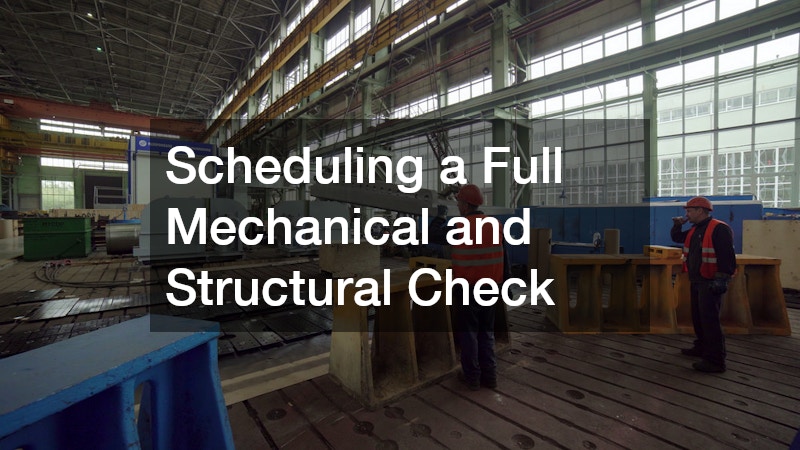
A seasonal shutdown is the ideal time to have every mechanical system evaluated, since problems are far easier to fix while the building is empty and there is no pressure to keep operations running. This includes boilers, pumps, elevators, backup generators, and any other equipment that could fail quietly over weeks of inactivity. Waiting until reopening day to discover a broken pump or a seized motor almost always costs more in emergency labor and lost time than a proactive check would have.
Many property owners contract with industrial maintenance services to run a full pre-shutdown assessment, since these teams have the tools and experience to test systems under load and catch problems that a visual inspection alone would miss. A thorough maintenance visit typically includes lubrication of moving parts, filter replacement, and a check of electrical connections that can loosen over time. Scheduling this service a week or two before the actual shutdown gives enough lead time to order parts if something needs repair.
- Test backup power systems and generators before shutdown begins
- Lubricate and inspect all moving mechanical components
- Replace worn belts, filters, or seals proactively
- Document system readings for comparison when reopening
Securing Utility Connections and Supply Lines
Utilities left improperly managed during a shutdown are a common source of costly problems, especially in properties that use gas-powered equipment for heating, cooking, or industrial processes. Before closing, every gas line, valve, and connection should be checked for leaks or wear, and any equipment that will remain idle should have its supply properly shut off or set to a safe standby mode. Skipping this step risks both safety hazards and wasted utility costs while the building sits empty.
Coordinating with a local industrial gas supplier before shutdown ensures that deliveries are paused or adjusted appropriately and that any tanks or lines are left in a safe, monitored state. A local supplier can also advise on pressure testing and provide guidance specific to the equipment on site, which is especially useful for properties with specialized heating or process equipment. This kind of coordination prevents both safety risks and unnecessary billing for services not being used.
- Confirm which gas-fed equipment should be fully shut down versus idled
- Schedule a leak check on all accessible gas lines
- Adjust or pause delivery schedules with your supplier for the closure period
- Label shut-off valves clearly for anyone checking the property during closure

Checking the Small Hardware That Holds Everything Together
It is easy to focus on big systems and forget the small components that keep a building structurally sound, but loose or corroded hardware is a frequent cause of failures during long periods of inactivity. Vibration, temperature swings, and moisture exposure can gradually loosen bolts, brackets, and anchors that were perfectly secure when installed. A pre-shutdown walkthrough should include a check of any exposed structural connections, railings, and equipment mounts.
Replacing worn or rusted industrial fasteners before a shutdown is a small expense compared to the cost of a structural failure discovered after weeks of unsupervised weather exposure. This is especially important for rooftop equipment mounts, exterior signage, and any structure exposed to wind or temperature extremes. A quick tightening and replacement pass now can prevent a much larger repair bill when the property reopens.
- Inspect rooftop equipment anchors and mounting brackets
- Check exterior signage and awning hardware for corrosion
- Tighten or replace fasteners on any exposed structural connections
- Keep spare hardware on hand for quick fixes during closure checks
Deciding What Equipment to Rent Versus Store
Seasonal shutdowns often require temporary equipment for tasks like winterizing plumbing, moving heavy materials, or performing elevated inspections, and owning that equipment year-round rarely makes financial sense. Instead, many property owners turn to short-term equipment rentals to get access to specialized tools only when they are needed. This approach keeps costs down while still giving the property the resources needed to shut down and reopen properly.
When planning a shutdown, it helps to make a list of tasks that require specialized equipment, such as pressure washers, generators, or lifts, and compare rental costs against the time these tasks would take without the right tools. Renting for a defined shutdown window also avoids the maintenance and storage costs that come with owning equipment that sits idle most of the year. This is particularly useful for smaller property owners who only need heavy equipment a few times annually.
- Identify shutdown tasks that require specialized or heavy equipment
- Compare short-term rental costs against the cost of ownership
- Reserve equipment early, since demand rises during peak shutdown seasons
- Confirm delivery and pickup logistics ahead of the closure date

Planning for Heavy Lifting and Elevated Work Safely
Some shutdown tasks, like removing rooftop units, replacing large mechanical components, or accessing tall structures, require lifting capacity well beyond what a standard ladder or lift can provide. Attempting these tasks without the right equipment is one of the most common causes of injury and property damage during shutdown season. Planning ahead for these jobs means bringing in the right lifting resources before work begins, not scrambling once a problem is discovered.
For larger jobs, a crane rental combined with professional rigging services provides the safest and most efficient way to move heavy equipment on or off a roof or into tight spaces. Riggers are trained to calculate load weights, secure equipment properly, and coordinate lift paths that avoid damage to the building or nearby structures. Booking this kind of support in advance also helps avoid delays, since cranes and experienced rigging crews are often reserved weeks ahead during busy shutdown periods.
- Confirm weight and dimensions of any equipment being lifted or removed
- Schedule crane access around weather and site logistics
- Use trained rigging crews for any load requiring precise placement
- Verify permits are secured if lifting equipment will block streets or sidewalks
Reviewing Fall Protection and Access Points
An empty building during shutdown season still needs to be safe for the staff, contractors, and inspectors who visit periodically to check on it. Loose railings, missing guardrails, or damaged stair rails are a serious liability, especially since fewer people are around to notice hazards quickly. A walkthrough of every elevated area, stairwell, and platform should happen before the property is left unattended for an extended period.
Sturdy iron railings around rooftop access points, mezzanines, and loading areas are one of the simplest ways to reduce fall risk during a shutdown, and any damaged sections should be repaired or replaced before closing. Because these railings are exposed to weather year-round, rust and weakening joints are common, so a physical inspection is more reliable than a quick visual check from a distance. This is a relatively low-cost fix that prevents a much more serious incident down the line.
- Inspect railings at all roof access points and elevated platforms
- Check for rust, loose posts, or weakened welds
- Repair or replace damaged sections before the building is left unattended
- Confirm gates and access doors to elevated areas lock securely
Keeping Up with General Property Care During Closure
Just because a facility is closed does not mean it can be ignored entirely. Landscaping, pest control, drainage, and general upkeep still need attention during a shutdown period, since neglecting these areas can create bigger problems by the time the property reopens. A property that looks abandoned is also more likely to attract vandalism or unwanted attention.
Arranging ongoing commercial property maintenance during the closure period, even at a reduced frequency, keeps small issues from turning into major ones. Regular check-ins allow someone to catch a leaking pipe, a fallen tree limb, or an unlocked door before it causes real damage. Many property owners set up a biweekly or monthly maintenance visit specifically for this purpose during long seasonal closures.
- Arrange periodic site visits to check for storm damage or intrusion
- Keep landscaping trimmed to reduce fire and pest risks
- Monitor drainage systems for clogs during heavy rain or snow
- Test alarm and security systems on a regular schedule
Preparing Climate Control Systems for an Extended Shutdown
Heating and cooling systems need special attention during a shutdown, since leaving them off completely can cause frozen pipes in winter or mold growth in humid climates during warmer months. The right approach depends on the local climate, the length of the closure, and what is stored inside the building. In most cases, systems should be set to a safe standby temperature rather than shut off entirely.
For most commercial buildings, that means holding heat at around 50-55°F in cold climates to prevent pipes from freezing, and maintaining cooling and dehumidification enough to keep indoor humidity below 60% in warmer, wetter regions. Facilities storing sensitive inventory, electronics, or paper records may need tighter tolerances than a standard office space would require.
It’s also worth checking insulation around exposed pipes, especially in unheated areas like basements, attics, or loading docks, since these spots are most prone to freezing. A backup plan matters too: consider a low-temperature alarm system tied to a mobile alert, so a maintenance team can respond quickly if the heat fails during a long closure. Finally, schedule a professional HVAC inspection before shutting down, since a system left running on standby for weeks needs to be reliable enough to avoid a costly failure with no one on-site to catch it.
Consulting a commercial hvac supplier before shutdown helps determine the right standby settings and whether any equipment needs servicing before the closure period begins. Rather than shutting systems off entirely, most suppliers recommend a setback mode that maintains temperatures between 60-65°F in winter and around 80-85°F in summer, which protects pipes and equipment without wasting energy. This is also the ideal time to schedule filter replacements, coil cleaning, and refrigerant checks that might otherwise be delayed during normal operating hours.
A supplier familiar with the building’s system can also recommend humidity control solutions, which are especially important for properties storing sensitive materials or equipment. Keeping indoor humidity between 40-50% helps prevent mold growth, corrosion, and warping in wood, paper, or electronic inventory. For larger facilities, this might mean installing standalone dehumidifiers or verifying that existing HVAC controls can maintain these levels without full staff monitoring.
Getting this guidance ahead of time prevents costly damage that might not be discovered until the property reopens weeks or months later. A short consultation can also reveal aging components, like a compressor nearing the end of its lifespan, that are far cheaper to address proactively than to repair after a failure during the shutdown. Many suppliers will even offer a mid-shutdown remote check-in or alert system, so any developing issues can be caught before they become expensive emergencies.
- Set thermostats to a safe standby range (typically 55-60°F in winter, 80-85°F in summer) rather than fully off, protecting equipment and inventory from temperature extremes
- Have filters and coils cleaned before the shutdown period to prevent dust buildup and mold growth during idle time
- Monitor humidity levels (ideally keeping them below 60%) to prevent mold growth and moisture damage in storage areas
- Use humidity sensors or dehumidifiers with automatic shutoffs for added protection in spaces without regular foot traffic
- Schedule a system check shortly before reopening to confirm thermostats, filters, and coils are functioning properly
- Test backup systems, like emergency generators or alarms, to ensure they’ll respond correctly if climate control fails during the shutdown
A seasonal shutdown does not have to mean weeks of uncertainty about what condition your property will be in when it reopens. By addressing the roof, mechanical systems, utilities, hardware, safety features, and climate control before closing the doors, property owners can avoid the kind of surprise repairs that eat into budgets and delay reopening. Start with a written checklist, bring in qualified help for the specialized tasks, and schedule follow-up visits during the closure to catch small issues early. A little planning now can save significant time and money when it is time to open the doors again.