
A missing wet floor sign or a faded warning label might seem like a minor oversight, but it can be the difference between a safe day and a serious injury. When property owners and businesses skip proper signage, they open the door to accidents that were entirely preventable. Understanding how and why these incidents happen can help you protect yourself, your family, and your legal rights if the worst occurs. This article breaks down the real connection between poor signage and rising injury claims, and what steps to take if you find yourself affected.
How Missing Warnings Lead to Preventable Accidents

Most injuries tied to poor signage happen because people simply have no way of knowing a hazard exists. A wet floor, an uneven step, low clearance, or a construction zone all require visual cues that tell visitors to slow down or change course. Without that warning, people walk, drive, or operate equipment as if everything is normal, and that is precisely when accidents strike. Property owners have a legal duty to warn visitors of known dangers, and failing to do so often forms the basis of a negligence claim.
The frequency of these incidents tends to climb in places with heavy foot traffic, like retail stores, warehouses, and parking structures. A single overlooked hazard can affect dozens of people before anyone notices the problem. This is why regular inspections and clear signage policies matter so much for any organization that welcomes the public.
Common Settings Where Signage Failures Cause Harm
Certain environments see a disproportionate share of signage-related injuries simply because of how much activity happens there every day. Grocery stores, construction sites, office buildings, and parking garages are frequent offenders because hazards change constantly and signage needs to keep pace. When management falls behind on updating warnings, the risk of injury rises sharply. In grocery stores, wet floor signs often lag behind spills from refrigerated cases, melting ice displays, or freshly mopped aisles, leading to slip-and-fall claims that dominate retail liability cases. Construction sites face a different challenge: hazards like open trenches, overhead work, or live electrical lines shift daily, so yesterday’s signage placement may be dangerously outdated by morning. Office buildings tend to overlook less dramatic risks, such as wet entryways during rainy seasons, low-hanging fixtures, or stairwells missing handrail warnings after renovations. Parking garages present their own set of problems, including low clearance areas, blind corners, and uneven pavement that often go unmarked until after an incident occurs. Poor lighting can compound these issues, making existing signs harder to see even when they are present. Across all of these settings, the common thread is a mismatch between how quickly conditions change and how slowly signage gets updated to reflect them.
- Grocery stores with spills near refrigerated aisles and no wet floor signs, often during peak shopping hours when foot traffic is highest
- Construction zones lacking barriers or warning tape around open trenches, exposing pedestrians and workers to fall hazards
- Parking garages with unmarked low clearance beams or potholes, especially in poorly lit sections where drivers have less reaction time
- Office buildings with wet stairwells after cleaning crews finish their shifts, frequently left unmarked overnight or during early morning hours
- Retail stores with blocked emergency exits and no visible exit signage, a violation that compounds risk during fire or evacuation emergencies
- Warehouses with forklift traffic lanes that lack painted markings or posted speed limits, increasing collision risk between pedestrians and equipment
- Hotels and apartment complexes with pool areas missing depth markers or “no diving” signs, a common source of injury claims in summer months
The Role Business Owners Play in Preventing Injuries
Property owners and managers are responsible for maintaining a reasonably safe environment, and that includes investing in visible, durable signage throughout their premises. Many companies work with professional sign makers to install business signs that clearly mark hazards, exits, and restricted areas, since generic or handwritten warnings often go unnoticed. Well-designed signage is not just a legal safeguard; it actively reduces the chance that someone gets hurt in the first place.
Beyond installation, businesses need a system for checking signage regularly to confirm it has not faded, fallen, or been removed. A sign that was effective last year may now be peeling, blocked by inventory, or simply outdated if the layout of the space has changed. Routine audits paired with clear accountability go a long way toward preventing the kind of oversight that leads to costly claims.
Why Injury Claims Increase When Warnings Are Ignored
When a business ignores its duty to post adequate warnings, the resulting injuries often lead to formal claims because victims have a clear argument that the harm was avoidable. Courts and insurance companies take signage failures seriously, since they represent a tangible, documented lapse in care. This is different from more ambiguous injury cases where fault can be harder to pin down.
Claims tend to spike after incidents involving repeat hazards, meaning the business knew about the danger and failed to act. Documentation such as photos, maintenance logs, or prior complaints can strengthen a case considerably. The more evidence that points to a known and ignored risk, the more likely a claim will succeed.
What to Do Immediately After a Signage-Related Injury
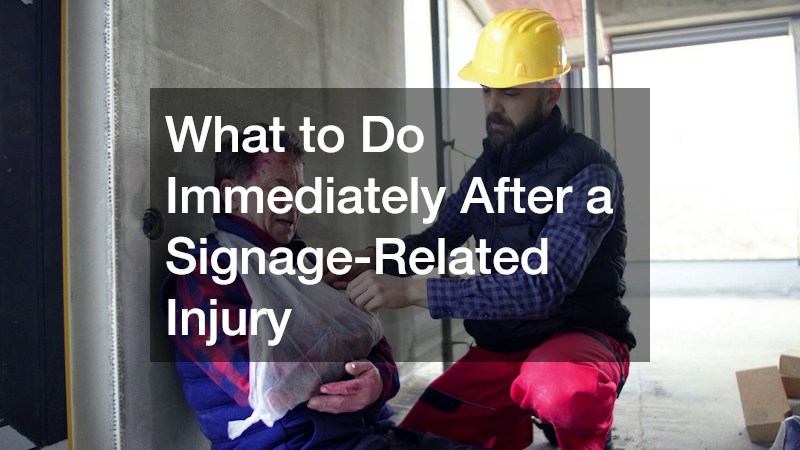
If you are hurt because a hazard was not properly marked, the steps you take in the first hours and days can shape the outcome of any future claim. Acting quickly helps preserve evidence that might otherwise disappear, such as a spill getting cleaned up or a sign being replaced after the fact. Staying calm and methodical, even while in pain, makes a real difference later on. Start by documenting the scene before anything changes. Take photos or video of the hazard itself, the surrounding area, and the complete absence of warning signage, along with wide shots that show how the space was laid out and close-ups of any debris, wet floors, or uneven surfaces involved. Note the date and time, since most phones timestamp images automatically, and capture lighting conditions if poor visibility played a role. Get medical attention right away, even if the injury seems minor. Some injuries, like concussions or soft tissue damage, don’t show symptoms until a day or two later, and a prompt medical record creates a timestamped link between the incident and your condition. Keep every receipt, discharge paper, and follow-up appointment notice, since gaps in treatment are often used to argue an injury wasn’t serious. Report the incident to a manager, property owner, or supervisor on-site and ask for a written incident report, requesting a copy for your own records before you leave. If witnesses are present, collect their names and contact information, since employees may be reluctant to contradict an employer later and an independent witness statement can carry more weight. Finally, avoid giving recorded statements to insurance adjusters or signing any documents until you have spoken with an attorney, since early statements made under stress can be used to minimize a claim. Keep a written timeline of your symptoms, missed workdays, and related expenses as they accumulate, since this record often proves just as valuable as the photos taken at the scene.
- Take photos of the hazard and surrounding area, including missing or damaged signage, poor lighting, and the exact spot where the injury occurred
- Note the date, time, and weather conditions, since these details can affect visibility and liability
- Report the incident to management immediately and request a written copy of the report before leaving the premises
- Get contact information from any witnesses, including names, phone numbers, and a brief account of what they saw
- Seek medical attention right away, even if injuries seem minor, since symptoms like concussions or soft-tissue damage can take hours or days to appear
- Ask for a copy of your medical evaluation and keep a record of the diagnosis and any recommended follow-up care
- Keep receipts and records related to treatment, medication, transportation to appointments, and lost wages
- Avoid posting about the incident on social media, as insurers may use it to dispute your claim
- Consult a personal injury attorney early to understand your rights and applicable deadlines, since claim filing windows vary by state
Special Considerations for Road and Highway Signage Failures
Not all signage failures happen indoors. Missing or obscured road signs, faded lane markings, and poorly marked construction zones contribute to a significant number of serious crashes every year. These cases often involve large commercial vehicles, and when a crash involves a truck, the injuries tend to be far more severe than a typical collision. In these situations, consulting a semi accident lawyer early can help determine whether inadequate signage from a contractor, municipality, or trucking company contributed to the wreck.
Highway work zones are especially prone to this problem because signage changes frequently as projects progress. A sign warning of a lane shift one week may be gone the next, even though the hazard remains. Drivers rely on these cues to adjust their speed and positioning, so any gap in signage can have outsized consequences on fast-moving roads.
How Legal Professionals Evaluate Signage Negligence Cases
Proving that inadequate signage caused an injury requires more than just pointing to a missing sign. Attorneys typically gather maintenance records, inspection logs, and testimony from employees or witnesses to show the property owner knew about the hazard and failed to address it. Many people searching for the best personal injury attorney want someone who understands how to build this kind of evidence-based case rather than relying on assumptions.
Experienced personal injury lawyers also know how to counter common defenses, such as claims that a hazard was “open and obvious” or that the injured person was not paying attention. These arguments can weaken a case if left unchallenged, so having skilled representation matters. A thorough legal review often reveals patterns of neglect that strengthen a claim far beyond what the injured person initially realized.
Overlooked safety signage is rarely a one-time mistake; it usually reflects a broader pattern of neglect that puts visitors and workers at ongoing risk. If you or someone you love has been hurt because a hazard went unmarked, document everything you can and seek medical care right away. From there, talking to a qualified attorney can help you understand your options and hold the responsible party accountable. Taking these steps not only supports your own recovery but can also push businesses to take signage and safety more seriously going forward.