
The industrial and manufacturing landscape is undergoing a profound transformation. Rapid technological developments, shifting supply chain expectations, and increasingly stringent environmental standards are forcing plant managers to re-evaluate their physical assets. Historically, operational updates focused almost exclusively on individual machinery speed or automated software tools. Today, facilities are recognizing that peak throughput cannot be sustained on top of aging physical infrastructure.
Failing to modernize physical infrastructure introduces subtle yet accumulating costs. Outdated production bays create operational bottlenecks, poorly insulated structures drive up energy costs, and legacy mechanical hardware increases the risk of unannounced downtime. Furthermore, workplace safety standards have evolved, making legacy facility layouts a liability regarding compliance and employee recruitment.
To remain competitive in a high-demand market, industrial operations must adopt a holistic modernization strategy. Upgrading a plant requires balancing heavy equipment efficiency, structural integrity, architectural longevity, and mechanical utility health. This guide explores the strategic capital improvements necessary to turn legacy industrial buildings into high-throughput, future-proof manufacturing hubs.
Optimizing Materials Processing and Heavy Equipment Logistics
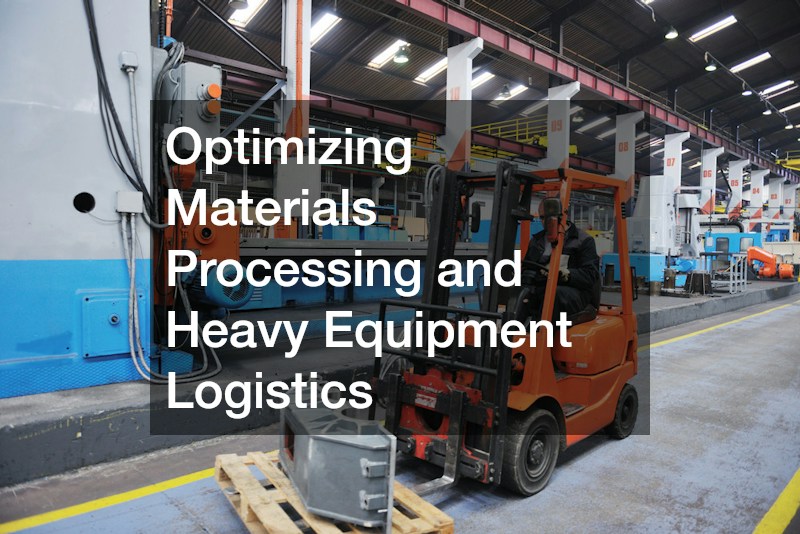
Bulk raw material movement and internal site logistics represent the foundational pulse of any heavy processing plant. When materials fail to move efficiently from reception to processing, every downstream assembly line suffers, regardless of how advanced the primary machinery might be. This foundational element is crucial because it directly influences operational efficiency, cost-effectiveness, and the ability to meet production deadlines.
Modernizing Processing Systems for High-Throughput Consistency
Continuous material transfer systems, such as pneumatic lines, bucket elevators, and belt conveyors, require constant recalibration as throughput demands rise. Over time, friction, mechanical fatigue, and material buildup reduce mechanical delivery rates and introduce unexpected shutdowns. These shutdowns, often caused by equipment wear and tear, can significantly hinder productivity and raise maintenance costs. Regular recalibration and maintenance are thus essential to prevent these issues from escalating.
Modernizing material movement requires a shift toward smart, sensor-driven systems that bring increased precision and efficiency:
- Automated Flow Management: Installing variable frequency drives on conveyances allows operators to adjust speeds based on real-time hopper levels, eliminating surge feeding and mechanical strain. This ensures that materials are delivered at a consistent rate, reducing wear on systems and preventing overloading or bottlenecking in production lines.
- Environmental Dust Containment: Integrating negative-pressure filtration units at transfer points mitigates airborne particulates, which are a common by-product of bulk material handling. This not only protects worker respiratory health by maintaining cleaner air quality but also reduces explosion risks in fine-dust environments, which can be hazardous and require stringent safety measures.
- Pneumatic and Mechanical Retrofits: Upgrading worn chute liners with ultra-high-molecular-weight polyethylene reduces the friction coefficient and prevents material bridges, which occur when materials stick together and form blockages. This retrofit enhances the longevity of the equipment and ensures materials move smoothly through the transfer systems without interruptions.
Implementing efficient dry bulk material handling systems requires careful analysis of material characteristics, including bulk density, abrasiveness, and moisture sensitivity. Understanding these factors is crucial because they influence how materials should be handled and transported to minimize product degradation and contamination.
Strategic Powertrain and Fleet Repowering Strategies
Facilities operating heavy stationary generators, yard haulers, or material transport vehicles face complex capital allocation decisions when primary engines reach end-of-life status. Replacing an entire specialized machine is expensive and often carries long manufacturer lead times that disrupt immediate production goals.
Repowering existing heavy machinery offers a cost-effective alternative. Replacing a worn-out engine block with a remanufactured Caterpillar engine allows plants to restore original performance levels, maintain compliance with current emissions benchmarks, and lower maintenance costs without the capital outlay of acquiring brand-new chassis or custom housings.
Regular fluid analysis, oil sampling, and thermal imaging should accompany all engine repowering programs. Establishing consistent oil analysis intervals ensures minor mechanical wear in newly installed powertrains is addressed long before it causes operational failure.
Precision Structural Design and Custom Component Fabrication
As manufacturing plants integrate heavier machinery, automated storage systems, and elevated mezzanines, the underlying physical plant structure is subjected to loads it was never originally designed to support.
Structural Integrity Assessments for Heavy Equipment Integration
Introducing dynamic, high-vibration equipment into legacy buildings requires rigorous evaluation. Placing automated pick-and-place robots or high-tonnage stamping presses on unreinforced concrete slabs can lead to structural cracking, uneven equipment calibration, and safety risks.
Plant engineers must prioritize structural verification through key analytical steps:
- Dynamic Load Calculation: Evaluating not just the static weight of machinery, but the harmonic resonance and rotational forces generated during peak operation.
- Slab and Foundation Testing: Utilizing ground-penetrating radar and core sampling to determine slab thickness, rebar density, and soil compaction under load-bearing zones.
- Overhead Crane Runway Audits: Verifying that existing gantry supports and crane rails can absorb updated hook capacities without exceeding deflection limits.
Professional structural engineering analysis provides the baseline calculations necessary to design targeted reinforcements. Whether adding carbon-fiber wraps to load-bearing columns or underpinning deep foundations, expert analysis ensures structural modifications safely accommodate production growth.
Custom Structural Modifications to Solve Plant Bottlenecks
Industrial spaces rarely accommodate off-the-shelf equipment layouts out of the box. Custom spatial adaptations are frequently required to route materials around physical obstacles, establish safe access platforms, or secure complex machinery bases.
Leveraging specialized metal fabrication services allows plants to manufacture bespoke steel structures tailored to specific operational spaces. Custom-engineered walkways, heavy-duty crossovers, specialized chute hoppers, and reinforced machine bases eliminate safety hazards while smoothing out spatial flow restrictions across the factory floor.
All custom fabrications should comply with established welding standards and material specifications. Specifying proper surface treatments—such as hot-dip galvanizing for corrosive wet environments or industrial powder coatings for high-abrasion zones—ensures retrofitted structural components match the operational lifespan of the machinery they support.
Architectural Innovation and High-Performance Building Enclosures
Industrial facility design is transitioning from utilitarian shelters to high-performance building envelopes. Modern building enclosures play a direct role in maintaining indoor environmental quality, controlling energy expenditures, and reducing long-term operational costs.
Sustainable Structural Modifications for Secondary Facility Space
While primary manufacturing bays demand heavy steel and reinforced concrete, secondary facility zones—such as administrative offices, cafeteria hubs, visitor centers, and testing labs—benefit from alternative structural systems that improve thermal comfort and lower embodied carbon.
Incorporating timber frame construction into administrative expansions or mezzanine office retrofits introduces distinct functional benefits:
- Reduced Thermal Bridging: Natural wood structural elements provide superior thermal insulation properties compared to uninsulated structural steel, lowering localized heating and cooling demand.
- Speed of Assembly: Prefabricated timber components can be erected rapidly with minimal noise, reducing construction disruption inside active manufacturing facilities.
- Biophilic Workplace Benefits: Exposed timber interiors create a visually appealing environment, helping industrial plants attract engineering and administrative talent.
When integrating timber components into an industrial environment, careful attention must be paid to fire-retardant chemical treatments, humidity controls, and isolation barriers that separate wood structures from wet process areas or open flame operations.
Enhancing Building Envelope Performance and Aesthetic Value
The external shell of a factory protects sensitive automated equipment and skilled personnel from weather extremes. Over time, metal wall panels, masonry mortar joints, and sealant lines deteriorate due to thermal expansion, ultraviolet radiation, and chemical exposure.
Upgrading an aging commercial building facade involves applying high-performance insulated metal panels, modern elastomeric coatings, or rainscreen systems. These exterior retrofits eliminate moisture intrusion, improve structural insulation values, and transform outdated facilities into clean, modern corporate assets that instill client confidence.
Proper moisture management is critical during facade retrofits. Installing continuous vapor barriers and flashings prevents trapped condensation, which can lead to concealed structural corrosion and indoor air quality issues.
Securing the Enclosure: Roof Systems and Access Points
A facility’s roof and access portals are its primary defense against weather elements. Liquid leaks or uncontrolled air infiltration through compromised roofs and bay doors jeopardize sensitive electronics, finished inventory, and raw material storage.
Commercial Roof Retrofitting and Environmental Management
Industrial roofs endure extreme exposure, including direct solar radiation, pooling water, mechanical traffic from HVAC servicing, and corrosive chemical exhaust. A compromised roof system can cause catastrophic water damage, electrical fires, and expensive operational pauses.
Key roof management strategies for large-scale facilities include:
- Core Moisture Mapping: Utilizing infrared thermography to identify saturated insulation layers beneath the roofing membrane before commencing full-scale retrofits.
- Membrane Selection: Choosing appropriate single-ply membranes—such as heat-welded TPO or PVC—that offer high chemical resistance against industrial vent emissions.
- Structural Upgrades for Rooftop Loads: Reinforcing roof trusses to support supplemental weights from solar panel installations, high-efficiency HVAC units, or industrial air scrubbers.
Partnering with an experienced commercial roofing company ensures roof retrofits are installed with proper slope, drain placement, and wind-uplift resistance. Implementing systematic maintenance contracts guarantees that minor surface punctures or flashing gaps are sealed before causing structural decay.
Optimizing High-Traffic Logistics Ports and Industrial Entryways
Loading docks and vehicle bay access points experience continuous mechanical stress. High-speed lift trucks, backing tractor-trailers, and high-frequency opening cycles degrade door tracks, weather seals, and mechanical spring systems over time.
Selecting heavy-duty local commercial garage doors rated for continuous duty cycles improves climate control retention and keeps logistics operations running smoothly. High-speed insulated doors seal loading bays in seconds, preserving interior temperature settings in climate-controlled environments and reducing energy loss.
When door hardware experiences mechanical failure, access portals stall, creating immediate logistics backups. Engaging prompt commercial door repair services restores critical access points, prevents security vulnerabilities, and eliminates safety hazards associated with misaligned counterweights or failing safety sensors.
Critical MEP and Utility Infrastructure Upgrades
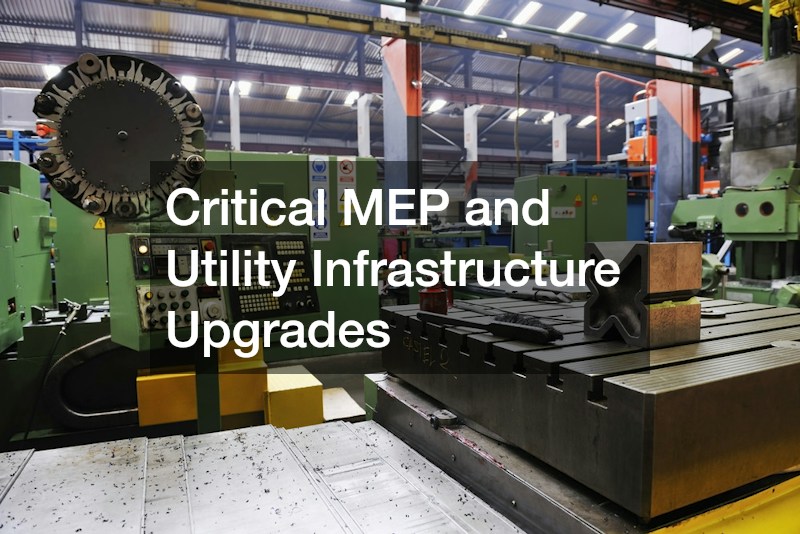
Mechanical, electrical, and plumbing (MEP) systems form the internal circulatory network of an industrial plant. As production technology advances, legacy utility networks often struggle to deliver necessary liquid volumes, maintain stable pressure metrics, or process specialized waste streams.
Upgrading Heavy-Duty Industrial Plumbing and Waste Lines
Process water supply lines, floor drainage systems, chemical waste conduits, and domestic sanitization circuits face heavy daily demands in manufacturing plants. Corroded pipes, undersized drainage tracks, and outdated grease or oil interceptors lead to regulatory fines, production interruptions, and facility damage.
Essential utility infrastructure updates include:
- Specialized Pipe Material Integration: Replacing degraded metallic utility lines with corrosion-resistant materials such as stainless steel, CPVC, or high-density polyethylene based on chemical compatibility.
- High-Capacity Drainage Channels: Installing heavy-duty slot drains with removable stainless steel grates to simplify cleaning and handle high-volume washdown cycles.
- Advanced Backflow Prevention: Fitting redundant backflow preventers to isolate industrial process water circuits from municipal potable water supplies.
Retaining qualified local commercial plumbers ensures all fluid system modifications conform to local industrial discharge permits and municipal building codes. Licensed professionals handle complex piping, high-capacity interceptor installations, and backflow certification without risking environmental non-compliance.
Integrating Smart Utility Monitoring and Emergency Shut-Off Systems
Manual utility management is insufficient for modern continuous manufacturing operations. Unmonitored fluid or gas leaks can cause catastrophic equipment failure, structural erosion, or hazardous material releases before physical damage becomes visible.
Modern utility infrastructure relies on digital sensor arrays deployed throughout the distribution piping network:
- Ultrasonic Leak Detection: Ultrasonic flow meters detect micro-leaks by analyzing subtle pressure drops across pipe sections, allowing maintenance crews to fix issues before catastrophic failures occur.
- Automated Isolation Valves: Electromechanically actuated valves can instantly shut down specific fluid loops if line breaks or sudden pressure surges are detected.
- Effluent Quality Monitoring: In-line pH, conductivity, and temperature sensors track wastewater parameters continuously, preventing non-compliant discharge from entering municipal sewers.
Integrating utility data directly into central Building Management Systems provides maintenance managers with full visibility into energy and water consumption. This real-time oversight allows operations teams to optimize utility schedules, lower utility costs, and schedule preventive maintenance based on actual usage trends rather than arbitrary calendars.
Prioritizing Capital Improvements and Maximizing ROI
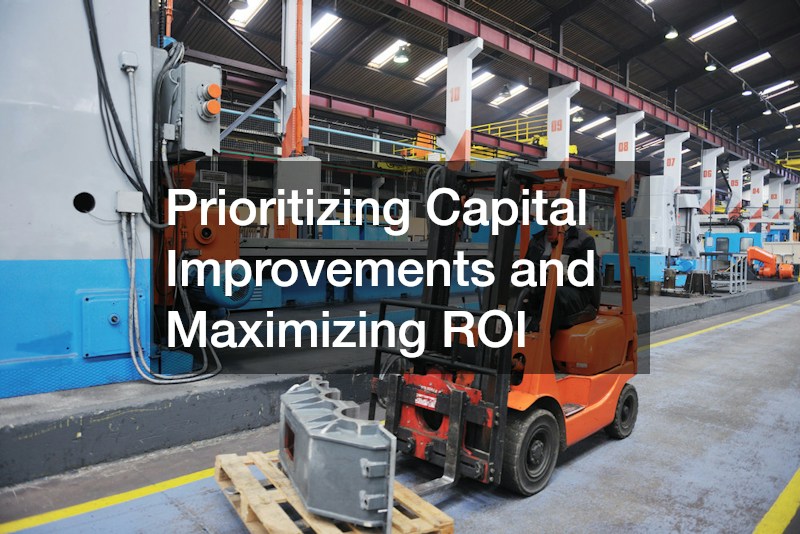
Executing facility retrofits requires balancing immediate operational needs against available capital budgets. Facility directors should approach plant modernization as an iterative, phased process designed to maximize return on investment while minimizing production downtime.
A structured modernization roadmap involves four operational phases:
- Comprehensive Facility Audits: Conduct non-destructive structural assessments, energy audits, infrared electrical inspections, and utility capacity mapping to locate critical vulnerabilities.
- Risk and Impact Matrix Creation: Classify potential facility projects based on operational risk, safety compliance, energy savings potential, and overall cost.
- Phased Project Execution: Schedule major structural and utility interventions during planned seasonal turnarounds or maintenance shutdowns to avoid interrupting active production lines.
- Post-Upgrade Verification: Validate baseline performance metrics—such as energy consumption, environmental dust levels, and logistics turnaround times—to confirm expected ROI and inform future upgrade cycles.
Addressing foundational physical plant needs transforms aging facilities into resilient, agile production centers. Strategic investments in structural integrity, environmental enclosures, heavy equipment power systems, and utility networks ensure manufacturing operations remain efficient, scalable, and compliant for decades to come.