

Businesses that rely on metal equipment, machinery, fixtures, or structural components need reliable ways to protect their investments. Over time, exposure to moisture, chemicals, abrasion, heat, and frequent handling can cause painted or untreated metal surfaces to deteriorate. When these problems begin affecting appearance, performance, or maintenance costs, it may be time to consider a more durable finishing solution.
Local industrial powder coating can provide a protective and attractive finish for many types of commercial and industrial metal components. Recognizing the signs that your business could benefit from this process can help you address surface deterioration before it creates larger operational concerns.
Your Metal Components Show Signs of Wear
One of the clearest indications that your business may need a new finishing solution is visible deterioration on metal surfaces. Chipping, peeling, fading, scratches, rust, and discoloration can all indicate that an existing coating is no longer providing adequate protection. Even relatively minor surface damage can eventually expose the underlying metal to moisture and other environmental factors.
Industrial equipment frequently operates in demanding environments where surfaces experience repeated contact, vibration, impacts, or exposure to contaminants. Machinery components, metal frames, shelving, railings, tools, and other fabricated parts can gradually develop worn areas through normal use. When these areas become increasingly noticeable, simply applying another layer of conventional paint may not address the underlying durability concerns.
Businesses should also pay attention to how quickly their current finishes deteriorate. If metal components require frequent touch-ups because coatings routinely scratch or peel, the finishing method may not be suited to the conditions in which those components operate. A more durable finish can reduce the need for repeated cosmetic maintenance while helping protect the underlying material.
Maintenance and Replacement Costs Are Increasing
The condition of a metal finish can affect more than appearance. Frequent maintenance, repainting, corrosion treatment, and component replacement can consume labor hours and increase operating expenses. If employees or contractors repeatedly need to prepare and refinish the same surfaces, those recurring tasks may indicate that the existing coating is not meeting the demands of the application.
Local industrial powder coating is applied as a dry powder and cured under controlled conditions, creating a finish designed for durability and consistent coverage. Depending on the formulation and application, powder coatings can provide resistance to impacts, abrasion, corrosion, chemicals, and other environmental stresses. These characteristics make the process suitable for many industrial applications where ordinary paint may wear more quickly.
The potential value becomes especially apparent when a business maintains a large inventory of metal components. A finishing system that lasts longer can reduce how often surfaces need attention. Fewer refinishing projects can also help minimize disruptions associated with removing equipment from service, preparing surfaces, applying new coatings, and waiting for finishes to become ready for use.
Your Business Needs a More Consistent and Professional Finish
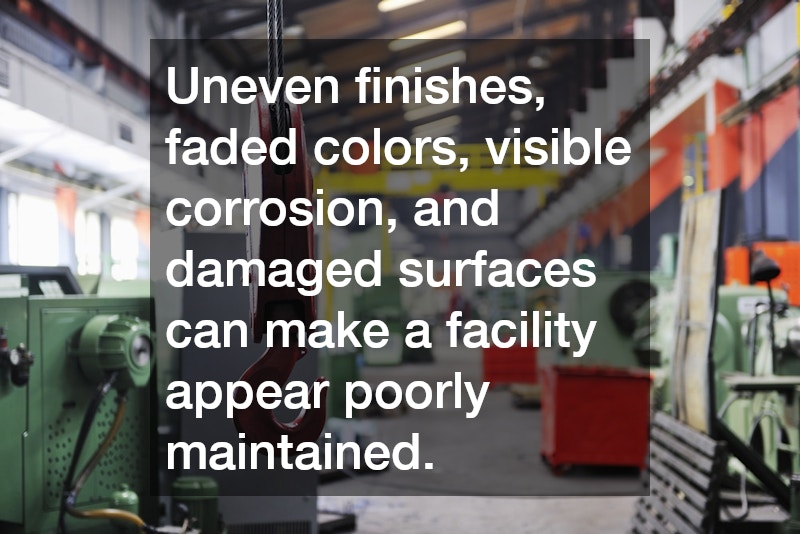
A consistent appearance can matter when customers, employees, vendors, or other visitors regularly encounter industrial equipment and metal structures. Uneven finishes, faded colors, visible corrosion, and damaged surfaces can make a facility appear poorly maintained. Refinishing metal components can provide a cleaner appearance while supporting the overall presentation of a commercial or industrial property.
Powder coating can also offer substantial flexibility in terms of colors, textures, and finishes. Businesses may select options that complement existing equipment, reinforce brand colors, or create visual distinctions between different types of components. This flexibility allows functional metal products to receive a finish that serves both practical and aesthetic purposes.
Consistency is particularly important when a company maintains multiple pieces of similar equipment. Differences in color, gloss, or surface condition can become obvious when components are located near one another. A professional finishing process can help create a more uniform appearance across multiple parts, provided the appropriate preparation, coating, and curing procedures are followed.
Knowing when to refinish industrial metal components can help businesses manage maintenance needs before surface damage becomes more extensive. Visible wear, rising maintenance costs, and inconsistent finishes are all signs that an existing coating may no longer be appropriate for the working environment.
A professional powder coating process can provide a durable finish while improving the appearance and protection of many metal components. By evaluating the condition of existing surfaces and considering the demands placed on their equipment, businesses can determine whether local industrial powder coating is an appropriate investment for their next maintenance or refurbishment project.