Modern agriculture depends on much more than seeds, soil, and favorable weather. Today’s farms often rely on tractors, combines, sprayers, irrigation systems, grain dryers, and other machinery to complete essential tasks efficiently. These machines help farmers cover more ground, handle demanding workloads, and maintain productivity during busy seasons. However, even the most advanced equipment cannot operate without a dependable source of fuel.
For many agricultural operations, having fuel available when and where it is needed is an important part of keeping daily activities on schedule. Fuel logistics can become particularly important during planting and harvesting, when equipment may operate for extended periods and downtime can quickly affect productivity.
Having a reliable supply available on-site can help farmers spend less time managing fuel logistics and more time focusing on their operations.
As agricultural equipment continues to become more sophisticated, dependable fueling practices can play an increasingly important role. Understanding how fuel delivery supports modern machinery can help farm operators make informed decisions about maintaining an efficient operation.
Supporting Equipment During Demanding Seasons
Agricultural equipment can face some of its most demanding workloads during planting and harvesting. Tractors may spend long hours preparing fields, while combines and other machinery can operate continuously when weather and crop conditions create a limited window for completing work.
Farm fuel delivery can help provide a convenient way to maintain an adequate supply during these periods. Instead of requiring equipment operators to make frequent trips away from the farm to obtain fuel, deliveries can bring fuel directly to an appropriate storage location on the property.
This convenience can be particularly valuable when several pieces of equipment are operating at once. Keeping fuel readily available can make it easier to refuel machinery as needed and maintain a consistent workflow throughout the day.
Supporting a Variety of Agricultural Machinery
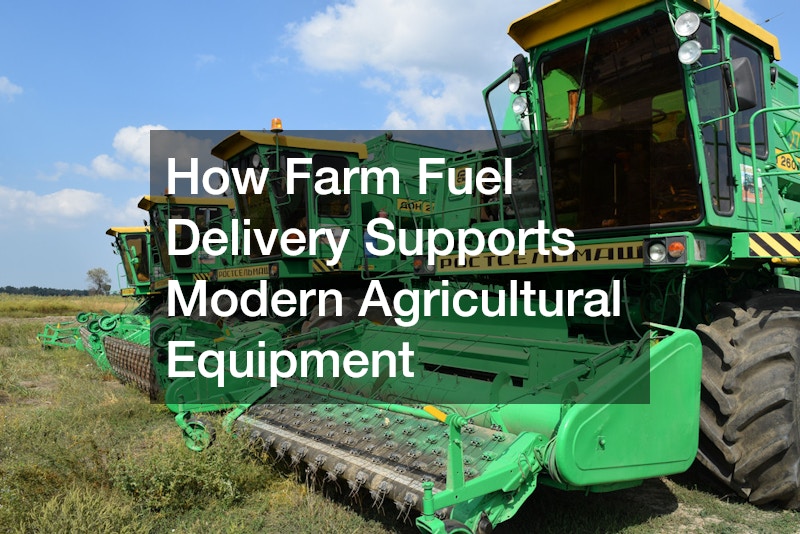
Modern farms may use many different types of fuel-powered equipment. Tractors are among the most recognizable examples, but agricultural operations can also depend on combines, skid steers, generators, irrigation equipment, grain dryers, and other machinery.
Each machine can contribute to a different stage of agricultural production. Having a dependable fueling strategy can help support these different applications without requiring operators to manage each machine’s fuel needs separately.
A centralized fuel supply can also make it easier for farm operators to organize their fueling routines. Depending on the operation, fuel may be stored in a designated location where equipment can be refueled efficiently. Deliveries can then be scheduled according to consumption patterns and anticipated seasonal needs.
Improving Fuel Management
Modern agricultural operations often involve careful planning and resource management. Fuel is one of the resources that may require regular monitoring, particularly for farms that operate large amounts of machinery.
Tracking fuel consumption can help operators understand how much fuel different machines use and when additional supplies may be needed. This information can support more accurate delivery scheduling and help prevent unexpected shortages.
Farm fuel delivery can also simplify the process of replenishing storage tanks. Rather than relying solely on individual equipment operators to obtain fuel, farm managers can establish a more organized supply process. This can make fuel management part of the broader operational plan rather than an issue that has to be addressed only when supplies run low.
Helping Farms Adapt to Modern Technology
Agricultural equipment is becoming increasingly connected and technology-driven. Many modern machines include digital displays, GPS guidance, automated systems, telematics, and other technologies designed to improve efficiency and precision.
While these features can change how equipment is operated and managed, the machines still require reliable energy to perform their functions. Fuel availability therefore remains an important consideration even as agricultural technology advances.
Some farms may also use technology to monitor equipment usage, track operating hours, or analyze performance. Combining these capabilities with thoughtful fuel planning can give operators a clearer picture of how equipment is being used and when fuel resources need to be replenished.
The goal is not simply to have fuel available. It is to integrate fuel management into the larger system of equipment and operational planning.
Planning Around Seasonal Demand
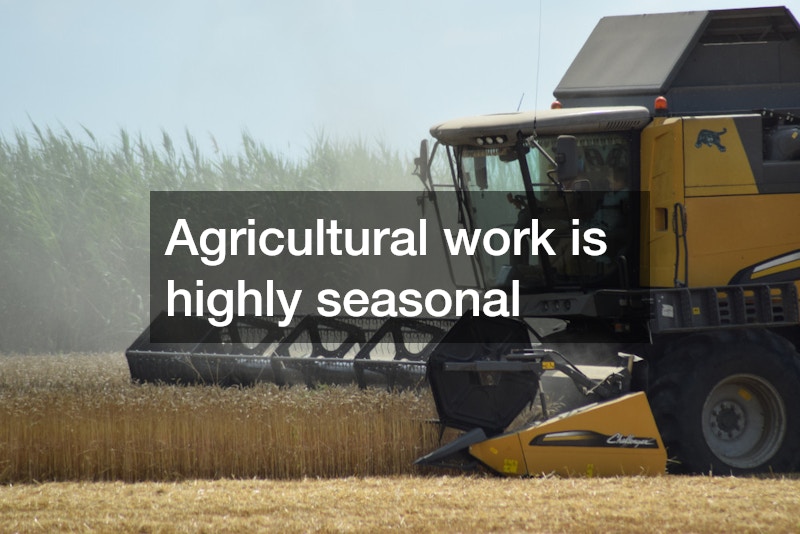
Agricultural work is highly seasonal, which means fuel requirements can change considerably throughout the year. A farm may have relatively modest equipment needs during one period and significantly higher consumption during planting or harvesting.
Planning ahead can help account for these fluctuations. Operators can review historical usage, upcoming workloads, equipment requirements, and available storage before arranging deliveries. This can reduce the likelihood of running short during especially busy periods.
Seasonal planning can also help farms avoid unnecessary disruptions caused by last-minute fuel needs. When deliveries are incorporated into the overall agricultural schedule, operators can approach fueling as a planned operational task instead of an emergency response.
Modern agricultural equipment gives farmers powerful tools for completing demanding work with greater efficiency and precision. Yet advanced machinery still depends on dependable fuel supplies to perform consistently. From tractors and combines to generators and grain dryers, keeping equipment fueled is an essential part of maintaining agricultural productivity.
Farm fuel delivery provides one way for agricultural operations to organize their fuel supply and keep essential resources available on-site. By supporting equipment availability, reducing unnecessary downtime, improving fuel planning, and accommodating seasonal demand, a dependable delivery strategy can complement other equipment-management practices.
As farms continue adopting increasingly sophisticated machinery and technology, thoughtful fuel management will remain an important part of keeping those systems operating. Planning fuel needs alongside maintenance, equipment scheduling, and seasonal workloads can help agricultural operations build a more organized and reliable approach to managing modern farm equipment.