
Manufacturing properties depend on far more than production equipment to operate efficiently. The condition of the building, grounds, utilities, drainage systems, heating equipment, access points, and safety infrastructure can all influence productivity. When these areas are neglected, manufacturers may face disruptions, safety concerns, property damage, higher operating costs, and expensive emergency repairs.
A well-planned maintenance program helps facility managers identify problems early and coordinate repairs before they affect daily operations. Some services focus on the exterior of the property, while others support heating, electrical systems, environmental safety, and water access. Together, these services create a more dependable environment for employees, equipment, deliveries, and customers.
For manufacturing property owners, knowing which maintenance services deserve regular attention can make it easier to protect the facility and plan long-term improvements.
Managing Water Around the Facility
Industrial properties often contain large roofs, loading areas, parking lots, paved surfaces, and other areas that prevent rainwater from naturally soaking into the ground. As a result, stormwater management becomes an important element of facility maintenance.
A professional stormwater inspection can help identify clogged drains, damaged pipes, erosion, sediment buildup, deteriorated retention areas, and other drainage concerns. Inspectors may evaluate catch basins, outlets, channels, detention systems, and surrounding surfaces to determine whether water is moving through the property as intended.
Poor drainage can create standing water around entrances, loading areas, parking lots, or foundations. Over time, excessive moisture may contribute to pavement deterioration, soil erosion, foundation concerns, and unsafe walking conditions.
Manufacturing facilities should pay particular attention to areas where materials, chemicals, oils, or production debris could potentially enter drainage systems. Routine inspection and cleaning can help keep water-management infrastructure functioning properly while allowing facility managers to address maintenance concerns before they become more complicated.
Maintaining Safe Vehicle Access
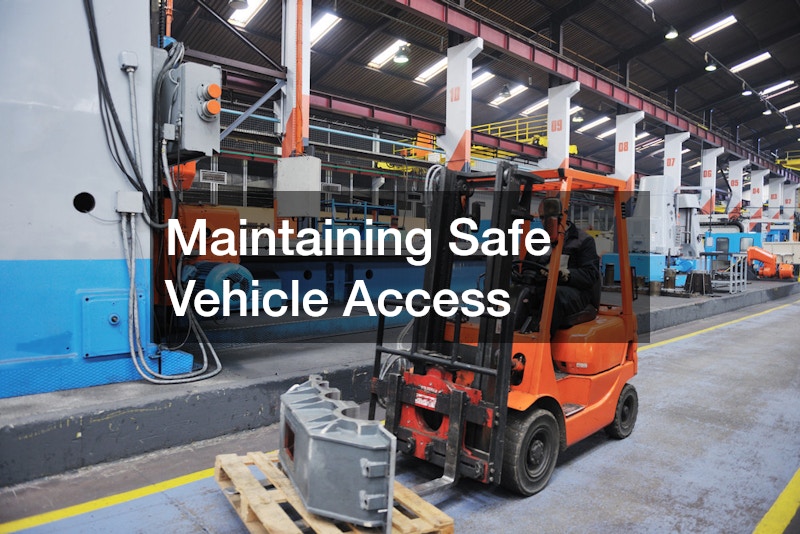
Manufacturing properties often experience heavy vehicle traffic. Delivery trucks, employee vehicles, forklifts, service vans, and other equipment may regularly travel across driveways and parking areas. These surfaces therefore need to withstand substantial wear.
Professional driveway paving can help create a stable surface for vehicles entering and leaving an industrial property. Properly installed pavement can also improve drainage, reduce uneven driving surfaces, and present a more organized appearance to employees, vendors, and visitors.
Existing pavement should be monitored for cracking, potholes, depressions, crumbling edges, and drainage problems. Even relatively small defects can become more serious when exposed to repeated traffic, freezing temperatures, moisture, or heavy loads.
Timely patching, resurfacing, sealing, or replacement can extend the usefulness of paved areas while improving safety. Facility managers should also consider traffic patterns when planning paving improvements. Loading zones, truck entrances, employee parking areas, and emergency access routes may have different durability requirements.
Strengthening Property Security
Controlling access is especially important for manufacturing facilities that contain valuable machinery, inventory, raw materials, vehicles, or specialized equipment. Physical barriers can help define property boundaries and direct people toward designated entrances.
Professional fence installation may be useful when an existing perimeter is damaged, when a property expands, or when a company wants better separation between public and restricted areas.
Manufacturing facilities may use chain-link fencing, ornamental metal fencing, privacy fencing, security gates, or other systems depending on the site. Gates can also be designed to accommodate large commercial vehicles without interfering with deliveries.
Regular fence inspections are equally important after installation. Damaged posts, loose panels, rusted hardware, malfunctioning gates, or gaps near the ground can reduce the effectiveness of the barrier. Maintaining fencing as part of a broader security plan can make the property easier to manage and monitor.
Keeping Electrical Infrastructure Reliable

Electricity supports nearly every aspect of a manufacturing operation. Production machinery, ventilation systems, lighting, computers, security systems, compressors, charging stations, and climate-control equipment all depend on dependable electrical infrastructure.
Facility managers may work with local electricians when upgrading circuits, installing equipment, troubleshooting outages, replacing outdated components, or improving lighting systems. Industrial environments often place substantial demand on electrical equipment, making professional evaluation particularly important.
Routine electrical maintenance can help identify loose connections, damaged wiring, overloaded circuits, deteriorated panels, or components showing signs of excessive heat. Older facilities may also require upgrades as production equipment becomes more powerful or automated.
Lighting should not be overlooked either. Well-maintained interior and exterior lighting can improve visibility around production areas, warehouses, loading docks, walkways, parking lots, and entrances.
Electrical work should always be completed according to applicable codes and safety requirements. Keeping accurate records of inspections and upgrades can also help manufacturing companies plan future infrastructure improvements.
Addressing Hazardous Building Materials
Older industrial buildings sometimes contain construction materials that require specialized handling during renovations, repairs, or demolition. Asbestos is one example that may be found in insulation, flooring, pipe coverings, roofing products, fireproofing materials, and other components in certain older structures.
If potentially hazardous materials are discovered, manufacturers may need an asbestos abatement service before construction or renovation work can safely proceed.
Professional abatement involves identifying affected materials, creating containment procedures, removing or managing those materials appropriately, and following applicable disposal requirements. Attempting to disturb suspected asbestos without proper procedures can create unnecessary risk for employees, contractors, and visitors.
Facility owners planning major upgrades should evaluate older portions of the building early in the project. Doing so can reduce the chance of unexpected delays once renovation work begins.
Environmental maintenance should also include accurate documentation. Records showing inspections, testing, remediation, and disposal can provide useful information for future facility managers, contractors, and property owners.
Protecting the Facility’s Water Supply
Some manufacturing properties depend on private wells for water used in restrooms, cleaning, processing, landscaping, or other operations. When these systems fail, the disruption can affect much more than basic plumbing.
Common indicators that well repairs may be necessary include changes in water pressure, unusual pump operation, cloudy water, inconsistent supply, strange noises, or unexpectedly high electricity usage.
Problems can originate from pumps, pressure tanks, wiring, pipes, controls, well casings, or other components. Professional diagnosis helps determine whether the issue requires a minor repair or a larger system improvement.
Preventive inspections may also help identify aging components before they fail completely. Manufacturing facilities with substantial water requirements should consider whether backup planning is necessary in case a well temporarily becomes unavailable.
Water quality testing can also form an important component of facility management, particularly when water is used directly in manufacturing or cleaning processes.
Cleaning Exterior Industrial Surfaces
Manufacturing properties naturally accumulate dirt, grease, residue, dust, organic growth, tire marks, and other contaminants. These materials can affect both appearance and safety if they remain on surfaces for extended periods.
A professional power washing service can be used to clean loading areas, sidewalks, exterior walls, parking structures, concrete pads, entryways, and other durable surfaces.
Regular cleaning may help prevent slippery buildup in high-traffic areas while making it easier for maintenance teams to spot cracks, leaks, deterioration, or other problems. Clean facilities can also create a stronger impression on clients, suppliers, employees, and inspectors.
Industrial cleaning should be planned carefully around production schedules. Some areas may need to be cleaned during shutdown periods or low-traffic hours to avoid interfering with deliveries and employee movement.
Drainage and wastewater considerations should also be included in the cleaning plan. Facilities should ensure that contaminants removed during washing are handled appropriately rather than simply being directed toward storm drains.
Upgrading Facility Heating Systems
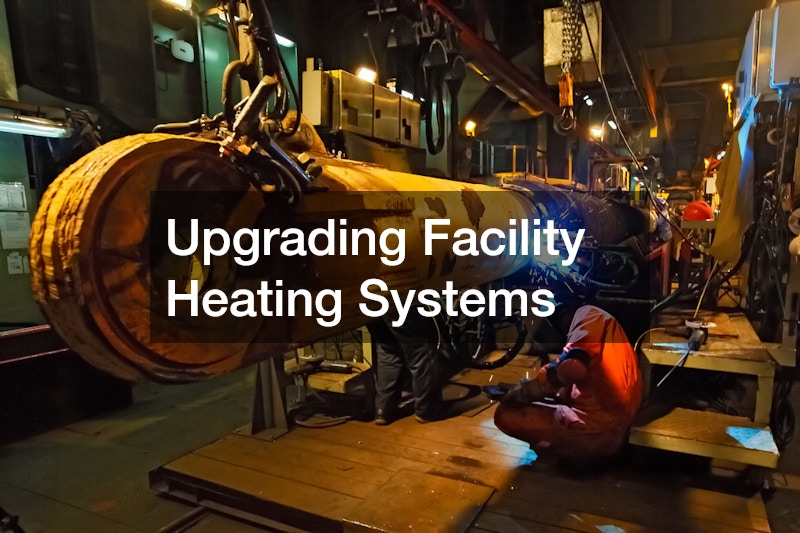
Manufacturing buildings often require reliable heating to protect employees, materials, equipment, plumbing, and production processes during cold weather. An aging heating system can lead to uneven temperatures, higher energy consumption, and unexpected outages.
A new furnace installation may be appropriate when existing equipment is no longer dependable, repairs become increasingly frequent, or facility requirements change.
Selecting heating equipment for an industrial property involves more than simply replacing the existing unit with a similar model. Building size, insulation, ceiling height, operating schedules, ventilation, equipment heat output, and occupied work areas can all influence system requirements.
Facility managers should also consider whether planned expansions will increase heating demand. Installing a system with long-term needs in mind can help avoid costly modifications later.
Once equipment is installed, scheduled inspections and filter changes are important. Keeping heating components clean and properly adjusted can support efficiency and help reduce the likelihood of sudden failures during periods of heavy use.
Maintaining Exhaust and Venting Systems
Facilities that use fireplaces, certain heating appliances, industrial heating systems, or specialized combustion equipment may have chimneys or flues that require routine attention.
Periodic chimney cleaning can remove soot, debris, and buildup that may interfere with airflow. Technicians can also inspect structural components for cracks, deterioration, blockages, loose connections, or other concerns.
Proper ventilation is especially important wherever combustion occurs. Restricted airflow may affect equipment performance and create safety concerns within the facility.
Manufacturing property managers should include chimneys, flues, exhaust systems, roof penetrations, and ventilation components in their broader building inspection program. Problems located above roof level can easily go unnoticed from the ground, which is why professional evaluation may be useful.
Roofing teams and heating specialists may also coordinate when chimney flashing, vent penetrations, or adjacent roofing materials require repair.
Keeping Boiler Systems Operating Efficiently
Many industrial facilities rely on boilers for space heating, hot water, production processes, or specialized manufacturing applications. Because these systems can operate under demanding conditions, routine servicing is essential.
A boiler maintenance service may include inspections of burners, controls, pumps, valves, pressure components, heat exchangers, safety devices, and related equipment. Technicians may also check for leaks, corrosion, unusual operating conditions, and efficiency concerns.
Preventive servicing can help reduce unexpected shutdowns during the busiest periods of the year. It may also allow maintenance teams to identify components that are approaching the end of their useful life.
Industrial boiler systems should be maintained according to manufacturer recommendations and applicable regulations. Operators should also document service dates, repairs, operating issues, and component replacements.
When a boiler supports essential production processes, manufacturers may want to develop contingency plans for temporary equipment failure. Backup systems, replacement components, and established service relationships can significantly reduce disruption when unexpected problems arise.
Coordinating Maintenance Across the Property
Individual maintenance tasks are most effective when they are managed as components of a larger facility strategy. Rather than waiting for equipment or infrastructure to fail, manufacturing property owners can create inspection schedules based on season, equipment age, usage levels, and operational importance.
A maintenance calendar might include drainage inspections before periods of heavy rainfall, pavement evaluations after winter, heating inspections before cold weather, electrical checks during planned shutdowns, and exterior cleaning during warmer months.
Detailed records can help managers track recurring problems and identify areas where repair costs are increasing. If a facility repeatedly spends money fixing the same pavement, drainage, heating, or electrical problem, replacement or redesign may eventually become more economical than continued repair.
Maintenance coordination can also prevent contractors from interfering with one another. For example, paving work may need to occur after underground drainage repairs but before new fencing is installed. Electrical upgrades might be scheduled alongside equipment installation. Environmental remediation may need to occur before larger renovation projects can begin.
Planning these projects together makes it easier to control costs and minimize interruptions.
Supporting Employee Safety and Productivity

Facility maintenance directly affects the people who work inside a manufacturing property. Uneven pavement, poor lighting, blocked drainage, unreliable heating, damaged fencing, contaminated surfaces, or deteriorated infrastructure can create unnecessary challenges for employees.
Preventive maintenance helps create predictable working conditions. Employees can move through the property more safely, production equipment receives reliable utility support, and managers are less likely to divert attention toward emergency repairs.
Maintenance also affects morale. A clean, organized, well-maintained facility demonstrates that management is actively investing in the workplace. Employees may find it easier to perform their jobs when work areas, entrances, parking lots, and supporting systems are kept in dependable condition.
Facility managers should encourage employees to report maintenance concerns as soon as they notice them. Workers often observe changes in equipment sounds, lighting, water pressure, pavement conditions, drainage, or building systems before those issues become obvious during scheduled inspections.
Planning for Long-Term Facility Performance
Manufacturing properties are significant investments, and consistent maintenance helps protect their long-term value. Buildings and infrastructure naturally deteriorate over time, but proactive repairs can slow that process and reduce the likelihood of major failures.
A strong maintenance strategy should combine routine inspections, preventive servicing, timely repairs, and planned upgrades. Managers can prioritize projects based on safety, operational importance, regulatory requirements, and potential repair costs.
Budgeting is also easier when major maintenance needs are anticipated. Instead of reacting to unexpected failures, manufacturers can forecast when pavement, heating systems, fencing, electrical equipment, drainage infrastructure, or water systems are likely to require attention.
Regular communication with qualified contractors can provide valuable insight into the condition of a facility. Service providers familiar with the property may be able to identify patterns, recommend maintenance intervals, and help management determine when replacement is more practical than continued repair.
By treating property maintenance as an ongoing operational responsibility rather than an occasional expense, manufacturing companies can create safer, more reliable facilities. Maintaining drainage, pavement, security systems, utilities, heating equipment, environmental conditions, water infrastructure, and exterior surfaces ultimately supports the larger goal of keeping production running smoothly.
A well-maintained manufacturing property is better prepared for changing weather, facility growth, equipment upgrades, increased traffic, and evolving operational needs. Consistent attention to these essential services can reduce disruptions, support employee safety, and help manufacturers get greater long-term value from their facilities.