Workplace safety is a top priority in industries where employees face exposure to flames, heat, sparks, or electrical hazards. FR clothing plays a critical role in helping reduce the risk of severe injuries while creating a safer work environment. Unlike standard work apparel, specialized protective garments are designed to help workers minimize the impact of dangerous incidents that may occur on the job.
Industries such as oil and gas, electrical services, manufacturing, construction, and welding often involve hazards that make protective equipment essential.
Understanding why protective workwear matters can help both employers and employees make informed decisions about safety practices. Below, we will explore the purpose of these garments, the industries that rely on them, and how selecting the right equipment contributes to long-term workplace safety.
Understanding the Purpose of FR Clothing
FR clothing, or flame-resistant clothing, is designed to help protect workers from hazards involving flames, flash fires, and thermal exposure. While regular workwear may ignite quickly and continue burning after exposure to heat, flame-resistant materials are specifically created to resist ignition and reduce continued burning.
This type of protective apparel does not necessarily make workers immune to injuries, but it can significantly decrease burn severity by reducing the amount of time a garment continues burning after contact with a heat source. These protective features provide additional time for a worker to react and move away from danger.
Protection Against Fire and Flash Hazards
Many workplaces contain hazards that can occur suddenly and with little warning. Flash fires and arc flashes are among the most serious dangers employees may encounter.
Flash fires happen when flammable materials ignite unexpectedly, creating a rapid burst of intense heat and flames. Arc flashes occur during electrical incidents when energy is released through the air, producing extreme heat capable of causing severe injuries.
FR clothing creates an additional layer of protection by helping limit flame spread and reducing heat transfer to the body. Protective garments may not eliminate every risk, but they can help reduce the severity of injuries during these dangerous situations.
Industries Where FR Clothing Is Essential
Several industries regularly require FR clothing because employees encounter hazardous conditions as part of their daily responsibilities.
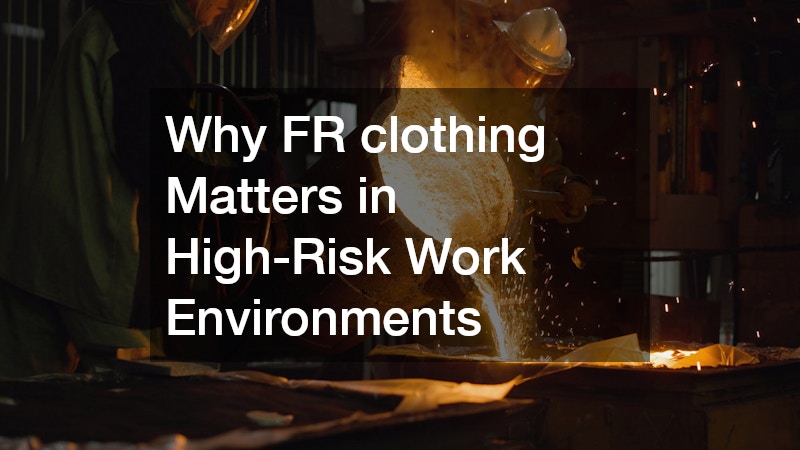
Oil and gas workers frequently operate around combustible materials and equipment that can create fire risks. Electrical professionals may face arc flash hazards while working with energized systems. Manufacturing facilities often involve machinery, heat sources, and potentially dangerous materials.
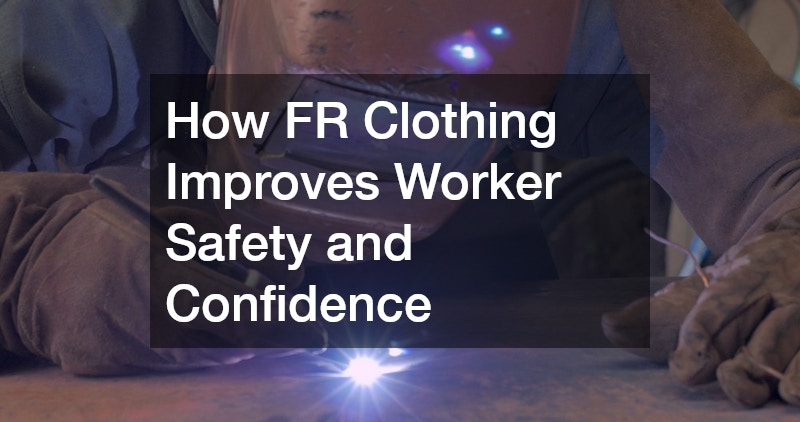
Welders regularly deal with sparks and hot metal, making protective clothing necessary for preventing injuries. Construction workers may also encounter situations involving electrical systems, cutting equipment, and heat-producing tools.
The level and type of hazard exposure can vary significantly between industries. Some employees may need protection against electrical hazards, while others require defense against direct flame exposure or heat-related risks.
Meeting Industry Safety Standards
Safety standards and regulations help create safer work environments by establishing guidelines for protective equipment and procedures. Employers often follow industry requirements designed to reduce risks and improve worker safety.
Protective clothing requirements may vary depending on the workplace and the hazards involved. Companies use these standards to determine what type of protective apparel workers need for specific job duties.
How FR Clothing Improves Worker Safety and Confidence
Protective equipment does more than simply reduce physical risks. It can also help workers feel more confident while performing challenging tasks.
Employees who know they have appropriate protection may feel more prepared to handle demanding job responsibilities. Feeling equipped with proper gear can improve focus and help reduce concerns related to workplace hazards.
Modern FR clothing has also improved significantly in terms of comfort and functionality. Manufacturers now design garments with lightweight materials, breathable fabrics, and improved flexibility. Workers can perform their responsibilities while maintaining greater comfort throughout the workday.
Choosing the Right FR Clothing for the Job
Selecting the right FR clothing involves more than choosing a garment labeled as flame-resistant. Different jobs involve different hazards, which means protective needs can vary significantly.
Workers and employers should consider factors such as job-specific risks, material types, proper fit, durability, and maintenance requirements. A loose or poorly fitted garment may affect comfort and performance, while materials should match the hazards workers face daily.
From minimizing burn severity to improving worker confidence, the right protective equipment plays an important role in reducing hazards and creating safer work environments. Choosing the proper protective gear for specific workplace risks can help support safety efforts and protect workers every day.