Choosing the right partner for industrial bonding solutions can significantly impact product performance, production efficiency, and long-term operational costs. Many industries, including automotive, aerospace, packaging, and construction, rely heavily on adhesive solutions that must perform under demanding conditions. A dependable adhesive tapes manufacturer plays a critical role in ensuring consistency, durability, and compliance with industry standards across a wide range of applications. Selecting the wrong supplier can lead to product failures, supply chain disruptions, and increased waste, making careful evaluation essential before entering into any long-term agreement.
Product Quality and Material Consistency
One of the first factors to evaluate is the consistency of product quality across batches. Industrial operations depend on materials that perform predictably, especially when used in high-stress environments such as sealing, mounting, or insulation.
A reliable supplier should demonstrate strict quality control systems, including raw material inspection, in-process monitoring, and final product testing.
Consistency in adhesive strength, thickness, and temperature resistance is especially important for manufacturers who integrate tape into automated production lines. Even minor variations can lead to machine inefficiencies or product defects. Companies should request technical data sheets, performance certifications, and sample testing results before committing to large-scale procurement.
In addition, material selection plays a key role in long-term performance. High-quality adhesives are engineered for specific use cases, such as high-temperature resistance for electronics or UV stability for outdoor applications. Understanding how a supplier sources and formulates its materials can help determine whether they are capable of meeting demanding operational requirements.
Manufacturing Capabilities and Technology
Advanced manufacturing capabilities are a strong indicator of reliability and scalability. Facilities equipped with modern coating systems, precision slitting equipment, and automated quality inspection tools are better positioned to deliver consistent output at scale. When evaluating suppliers, it is important to consider whether they invest in updated production technology or rely on outdated processes that may limit performance or consistency.
In today’s competitive industrial landscape, innovation also matters. Companies that prioritize research and development are more likely to offer improved adhesive formulations, better environmental resistance, and enhanced bonding performance. This is particularly important for industries that require specialized solutions, such as aerospace or medical device manufacturing.
A strong technical support team is another advantage. Engineers who can assist with product selection, customization, and application testing can significantly reduce development time and improve integration into existing systems. This level of collaboration is often a distinguishing factor between average suppliers and industry leaders.
Compliance and Testing Standards
Regulatory compliance is another essential consideration when selecting an industrial supplier. Products used in regulated industries must meet strict safety, environmental, and performance standards. Certifications such as ISO 9001 or ISO 14001 often indicate that a manufacturer follows structured quality and environmental management systems.
Testing protocols should also be transparent and rigorous. This includes adhesion testing, tensile strength measurement, aging tests, and environmental exposure evaluations. These tests help ensure that products maintain performance under real-world conditions such as humidity, heat, or mechanical stress.
Documentation is equally important. Reliable suppliers provide clear compliance records and material safety data sheets (MSDS) that allow buyers to verify product safety and regulatory alignment. Without this level of transparency, companies may face compliance risks that can affect both operations and reputation.
Beyond formal certifications and testing procedures, it is also important to evaluate a supplier’s internal quality culture and traceability systems. Strong manufacturers maintain detailed batch tracking, allowing every roll of product to be traced back to its raw material source and production run. This level of traceability becomes especially valuable when troubleshooting performance issues or conducting audits, as it enables faster root-cause analysis and corrective action. Companies that invest in continuous improvement programs and employee training tend to maintain higher long-term consistency, reducing variability across production cycles and improving overall reliability in demanding applications.
Supply Chain Reliability and Support
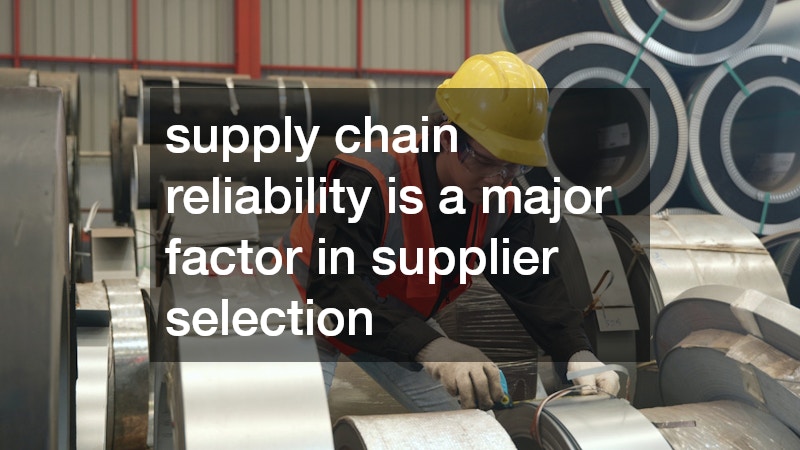
Beyond product quality, supply chain reliability is a major factor in supplier selection. Industrial operations depend on timely deliveries to maintain production schedules, and any delay can result in costly downtime. A dependable supply network ensures that materials are consistently available, even during periods of high demand or global disruption.
Inventory management practices are also worth evaluating. Suppliers with strong forecasting systems and regional distribution centers are better equipped to handle fluctuating demand. This reduces lead times and improves overall operational stability.
Customer support is another key aspect of supply chain performance. Responsive communication, clear order tracking, and efficient problem resolution all contribute to a smoother procurement experience. Companies that prioritize long-term partnerships rather than transactional relationships often provide more dependable service and flexibility in meeting evolving needs.
Selecting the right industrial supplier requires careful consideration of quality, technology, compliance, and logistics. Each of these factors contributes to the overall performance and reliability of the materials used in production environments. Working with a trusted adhesive tapes manufacturer can help ensure consistent product quality, reduce operational risks, and support long-term efficiency across multiple industries. By evaluating capabilities thoroughly and prioritizing proven performance, businesses can build stronger, more resilient supply chains that support sustainable growth.