

Moving a business to a new location is often framed as a straightforward logistics problem: pack the boxes, sign the lease, unpack, reopen. But for the people who actually keep the company running day to day, a relocation touches almost every part of their routine, from how they get to work to whether the building even functions properly on day one. Employees notice disruptions that leadership sometimes overlooks entirely, and those disruptions can quietly affect morale, productivity, and retention. Understanding the full scope of what a move demands helps business owners plan a transition that protects both operations and staff wellbeing. This article walks through the practical, often-overlooked pieces of a relocation that deserve attention long before moving day arrives.
Preparing the New Building Before Anyone Moves In
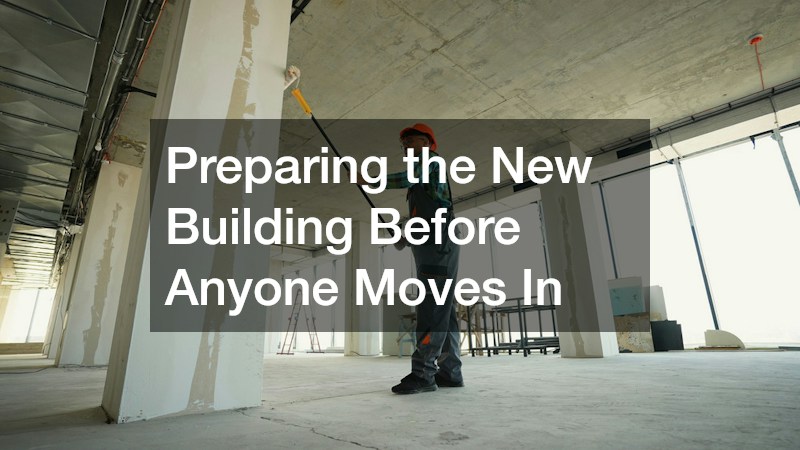
A new space rarely arrives move-in ready, even if it looks polished during a walkthrough. Electrical systems, plumbing, and structural elements often need inspection or upgrades before staff can safely occupy the building full time. Wiring may not support modern server rooms or break room appliances, HVAC units may be undersized for the actual headcount, and older buildings can hide code violations that only surface once an inspector takes a closer look. Skipping this step leads to surprise repairs during the first weeks of operation, which frustrates employees who expected a smooth transition. A dead outlet on day one or a conference room that won’t hold temperature sends a clear message that the move was rushed, even if leadership worked hard behind the scenes. Smart planning means budgeting time and money for the unglamorous work: fire suppression checks, ADA compliance for ramps and restrooms, internet and phone line installation, and security system setup. Many of these tasks require third-party contractors with their own scheduling backlogs, so lead times of four to eight weeks aren’t unusual for anything beyond a quick cosmetic refresh. Building in a buffer of a few extra weeks before the official move-in date gives facilities teams room to catch problems without pressure. It also means employees walk into a space that actually functions on day one, rather than one that’s still being fixed around them.
Working with experienced commercial contractors early in the process helps identify issues before they become emergencies. A walkthrough conducted eight to twelve weeks before the move gives enough lead time to fix problems without rushing the work or paying premium rates for expedited labor. These professionals can assess whether walls need to come down, whether layouts support current staffing needs, and whether the building meets code requirements for the intended use. Beyond structural concerns, contractors typically check electrical capacity, HVAC performance, and internet infrastructure — all things that seem minor until forty employees show up and half the outlets can’t handle their equipment. It’s also worth confirming fire exits, ADA compliance, and parking allotments match the headcount you’re planning to bring in, since a building suited for a previous tenant’s smaller staff may fall short for yours. Getting this evaluation done ahead of the move prevents costly delays once employees are expecting to settle in. A problem caught during inspection might cost a few thousand dollars to resolve; the same problem discovered on move-in day can mean lost workdays, frustrated staff, and rush fees for emergency repairs.
Clearing Out Debris and Old Materials From the Old Space
Vacating a previous office or facility usually generates far more waste than anticipated, from broken furniture to outdated equipment and construction debris left behind by tenant improvements. Trying to haul this material away piecemeal wastes staff time and creates safety hazards in hallways and parking areas. A dedicated waste solution keeps the process organized and prevents the old space from becoming a dumping ground during the transition.
- Renting roll off containers on-site allows teams to dispose of large volumes of waste in one coordinated effort rather than multiple trips
- Clear waste zones reduce tripping hazards and keep walkways open for movers
- Scheduling container pickup in advance avoids delays tied to the final lease walkthrough
- Separating recyclable materials can reduce disposal costs and support sustainability goals
Addressing Plumbing and Wastewater Systems at Both Locations
Plumbing problems are easy to ignore until they cause a shutdown, and relocations often reveal issues that had gone unnoticed for years. Older buildings, especially those not connected to municipal sewer lines, may rely on septic systems that need servicing before a new tenant moves in. Ignoring this step risks backups or odors that immediately sour the experience for staff arriving at a new workplace.
Scheduling commercial septic system pumping as part of the pre-move checklist ensures the system is functioning properly and won’t cause disruptions in the first few months. This is especially important for businesses that use water heavily, such as restaurants, medical offices, or manufacturing facilities. A functioning system protects employees from unpleasant surprises and avoids emergency service calls that can shut down operations unexpectedly.
Demolishing or Modifying Structures to Fit New Operations

Many businesses relocate into spaces that need significant structural changes before they match the company’s actual workflow. Open floor plans might need partition walls, while outdated cubicle farms might need to come down entirely to create collaborative work areas. This kind of work is disruptive by nature, and staff need clear communication about what to expect and when.
Hiring qualified commercial demolition contractors ensures this work is done safely and in compliance with local building codes, without damaging structural elements that need to remain intact. Rushed or improperly managed demolition can lead to dust exposure, debris hazards, and delayed timelines that push back the entire relocation schedule. Planning this phase with enough lead time keeps employees away from active work zones and avoids unnecessary safety risks.
Making Sure the Building Stays Comfortable Year-Round
Temperature control is one of the fastest ways to lose employee goodwill during a transition. A building that feels too hot or too cold within the first few weeks sends a message that comfort wasn’t part of the planning process, even if that’s not the intention. Climate issues also affect productivity, since employees distracted by discomfort are less focused on their actual work. New buildings often have HVAC systems that weren’t sized or calibrated for the way a specific team actually uses the space. An open floor plan with fifty people generates far more heat than the same square footage sitting empty during a walkthrough, and systems tuned for the latter often struggle once the space is fully occupied. Getting the building’s mechanical systems inspected and load-tested before move-in day can catch these mismatches early. Uneven heating and cooling is another common complaint, especially in older buildings or spaces with a lot of windows. Employees near exterior walls or direct sunlight may swelter while those near vents freeze, and small fixes like desk placement, window film, or supplemental fans can resolve a surprising number of complaints without a full system overhaul. It also helps to set expectations early. Letting staff know there’s a process for reporting temperature issues, and that adjustments are expected during the first month, reassures people that discomfort is temporary rather than a permanent feature of the new space.
Comfort issues rank low on most relocation checklists, yet they’re one of the fastest ways to tank morale in the first few weeks at a new location. Employees who spent decades in a well-tuned office suddenly find themselves sweating through afternoon meetings or shivering at their desks, and productivity drops accordingly. A building that looks move-in ready on paper can still have an HVAC system that’s completely mismatched to how the space will actually be used. Older buildings sometimes need a full AC replacement rather than a patch job, particularly if the existing unit wasn’t sized correctly for the new occupancy load or layout. A system built for a half-empty warehouse, for instance, may struggle badly once that same square footage holds fifty workstations, server equipment, and a break room full of appliances. In those cases, replacement isn’t just about comfort — it’s about avoiding a unit that runs constantly, drives up utility bills, and still can’t keep pace with demand. In other cases, a system just needs commercial AC repair to address minor issues like refrigerant leaks, worn belts, or clogged condensate lines before they become a bigger problem. These smaller fixes are often cheap and quick when caught early, but they can snowball into compressor failure or full outages if ignored. A pre-move inspection that checks airflow, thermostat calibration, and ductwork condition can flag most of these issues weeks in advance. Either way, testing the HVAC system well before the move-in date avoids the scramble of trying to fix climate control issues while staff are already trying to work. It also gives facilities teams room to schedule repairs during off-hours instead of disrupting a workday that’s already thrown off by the move itself. A building that feels comfortable from day one sends a quiet but powerful signal that the transition was actually planned with people in mind.
Ensuring the New Space Meets Accessibility Standards

Accessibility is not just a legal requirement, it is a genuine factor in whether employees and visitors can use the building comfortably. Businesses sometimes assume a new space is accessible simply because it looks modern, but ramps, door widths, and restroom layouts often need closer inspection. Overlooking this detail can exclude employees or customers who rely on mobility aids, creating both a compliance risk and a morale issue.
If the new building’s entrance has stairs without an alternative route, getting a wheelchair ramp installed should be one of the earliest items on the relocation checklist. This is not a task to leave until after complaints arise, since retrofitting entrances after the fact is more expensive and disruptive than planning for it upfront. Prioritizing accessibility from day one signals to employees that the company values every member of its team.
Protecting Sensitive Records During the Transition
Every relocation involves sorting through years of accumulated paperwork, and much of it contains sensitive information that cannot simply be tossed in a recycling bin. Old contracts, employee records, financial documents, and client files all carry risk if they end up in the wrong hands during a chaotic move. Staff often don’t have time to sort through boxes of old files while also managing their regular workload, which means records can get mishandled or lost in the shuffle.
Arranging secure document shredding before the move reduces liability and simplifies the packing process significantly. Many services offer on-site shredding with a certificate of destruction, which gives the business a paper trail proving compliance with data protection requirements. Clearing out unnecessary documents also means less to pack, unpack, and store at the new location, saving staff time on both ends of the move.
Coordinating the Physical Move of Equipment and Furniture
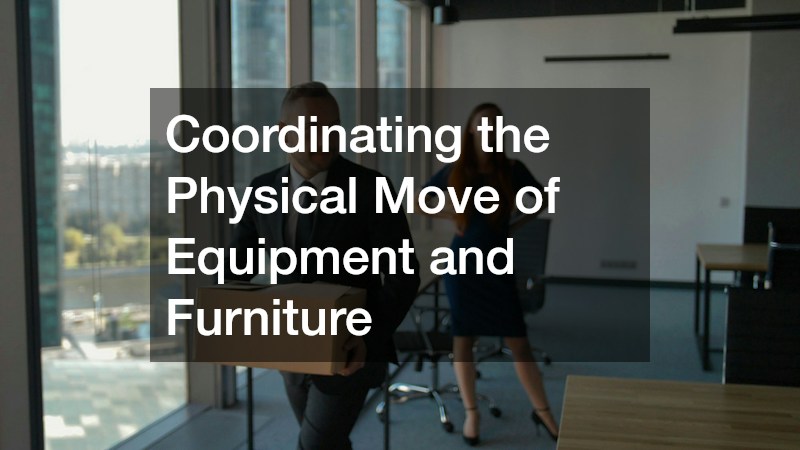
The actual physical move is often what employees picture when they hear about a relocation, but the logistics behind it are more complex than loading a truck. Office equipment, servers, specialized machinery, and furniture all require different handling — IT infrastructure needs careful disconnection and reconnection to avoid data loss, while heavy machinery may require specialized riggers or permits just to transport safely. Damage during transport can delay reopening at the new site by days or even weeks, especially if replacement parts or repairs are needed. Timing adds another layer of complexity. Moving on a weekend might minimize downtime, but it also means IT teams, movers, and facilities staff need tight coordination to have everything functional by Monday morning. A single missed delivery window or mislabeled box of cables can throw off the whole schedule. A poorly planned move day also means employees show up to a disorganized space, unable to find basic supplies or set up their workstations. Something as simple as unlabeled boxes or missing power strips can turn a first day into a wasted one, with staff hunting for basics instead of getting to work. Clear labeling systems, floor plans distributed in advance, and a designated point person to answer “where does this go” questions can prevent the chaos that otherwise defines move day.
Professional corporate moving services are built specifically to handle these complexities, including disconnecting and reconnecting equipment, protecting sensitive electronics, and managing the timeline so operations resume as quickly as possible. This isn’t just about hauling boxes—servers, workstations, phone systems, and specialized machinery each require their own handling protocols, and mislabeling even a handful of cables can turn a one-day setup into a week of troubleshooting. Coordinating this with department heads ahead of time helps ensure critical equipment is prioritized and nothing essential gets left behind. IT should walk through server and network needs weeks in advance, while operations or production leads flag any machinery that requires special disassembly, calibration, or vendor involvement to move safely. A detailed inventory and color-coded labeling system, shared with the corporate moving team, cuts down on confusion during unloading and helps staff find their equipment quickly on the other end. Assigning a single point of contact per department to answer questions on move day also prevents bottlenecks and miscommunication. A well-organized move day also reduces stress for staff who just want to get back to a normal routine. When employees see that their desks, monitors, and files reappear roughly where they left them, it signals that leadership took the disruption seriously and planned for their needs, not just the company’s bottom line.
Setting Up Security and Access Systems for Day One
Employees need to feel safe and be able to access their workplace without confusion from the very first day, yet security infrastructure is frequently one of the last things addressed in a relocation timeline. A parking lot or loading area with a malfunctioning entry system creates unnecessary delays and frustration before the workday even begins. Planning security systems early avoids awkward workarounds like propping gates open or handing out temporary keys.
Testing and programming a gate keypad service well before opening day ensures employees can enter the property smoothly and that access codes are properly assigned to the right personnel. This is also a good opportunity to review who needs access to which areas of the new facility, which is easy to overlook when everyone is focused on bigger moving tasks. Getting this right from the start avoids the confusion and mild chaos that comes with fixing access issues after employees have already begun arriving for work.
A business relocation is never just about the address change on a letterhead, it is a disruption that touches building systems, daily routines, and employee confidence in the company’s planning. Addressing structural work, utilities, accessibility, records, and security well ahead of the move date prevents the kind of chaos that erodes morale in the first critical weeks. Business owners who treat these details as essential planning steps, rather than afterthoughts, set their teams up for a much smoother transition. Taking the time now to map out each of these areas will pay off in fewer surprises and a workforce that feels supported throughout the change.