
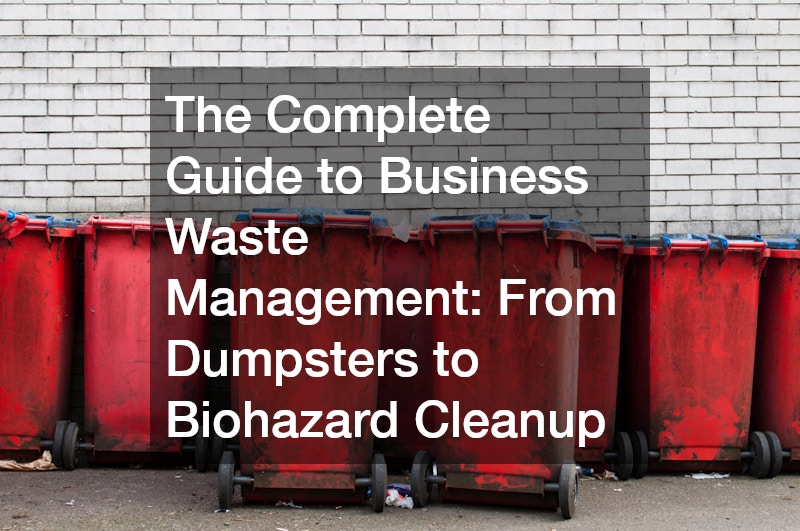
Managing waste is one of the most important yet often overlooked responsibilities for businesses. Whether you operate a small retail shop, manage a large commercial facility, or oversee construction and industrial operations, the waste your business generates can quickly become a logistical and regulatory challenge. From everyday trash to hazardous materials, each type of waste requires proper handling, disposal, and sometimes specialized treatment.
A well-structured waste management strategy not only helps maintain cleanliness and organization but also ensures compliance with environmental regulations, protects public health, and improves operational efficiency. Businesses that take waste management seriously are better positioned to reduce costs, avoid disruptions, and demonstrate environmental responsibility. This guide explores the full spectrum of business waste management solutions, covering everything from standard disposal methods to specialized services.
Understanding the Different Types of Business Waste
Every business generates waste, but not all waste is created equal. The first step in building an effective strategy is understanding the categories of waste your operations produce. General solid waste is the most common and includes materials like paper, packaging, and non-hazardous debris. This type of waste is typically generated daily and requires consistent collection and disposal systems to prevent accumulation.
Organic waste is another major category, especially for businesses in the food service industry. This includes food scraps and biodegradable materials that can decompose over time. If not managed properly, organic waste can lead to odors, pest infestations, and sanitation concerns. Liquid waste, including wastewater, grease, and sewage, presents its own set of challenges, often requiring plumbing infrastructure and regular maintenance to keep systems functioning properly.
Hazardous waste introduces a higher level of risk and must be handled with extreme care. This category includes chemicals, biohazards, and petroleum products that can pose serious health and environmental threats if not disposed of correctly. Construction and demolition debris, such as concrete, wood, and metal, is another major waste stream that requires specialized handling due to its volume and weight. Finally, green waste, including tree stumps and landscaping debris, is commonly generated by businesses that maintain outdoor spaces.
Understanding these categories allows businesses to align their waste management strategies with their specific operational needs, ensuring that each type of waste is handled appropriately.
Handling Everyday Waste Efficiently
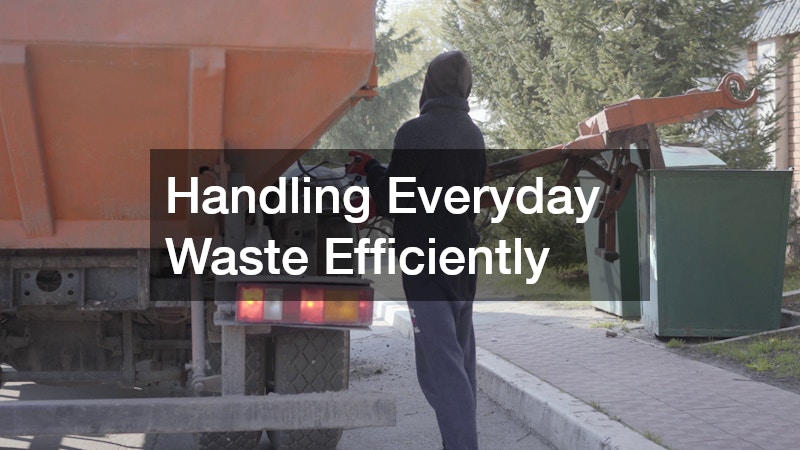
For most businesses, managing general waste is a daily task that requires reliable systems and processes. Without proper planning, waste can accumulate quickly, leading to clutter, safety hazards, and inefficiencies. One of the most effective solutions for handling large volumes of waste is the use of a roll off dumpster. These containers provide a centralized location for waste collection and are particularly useful for construction sites, renovations, and large-scale cleanouts.
A roll-off dumpster allows businesses to dispose of waste conveniently while ensuring that it is removed on a scheduled basis. This reduces the need for multiple smaller containers and simplifies the overall waste management process. It also helps maintain a cleaner and more organized work environment, which is essential for productivity and safety.
In multi-story buildings, transporting waste from upper floors to a central disposal area can be time-consuming and labor-intensive. A trash chute install offers a practical solution by allowing occupants to dispose of waste directly from each floor. This system improves efficiency, reduces manual handling, and minimizes the risk of spills or accidents. It is especially beneficial in residential complexes, hotels, and office buildings where waste is generated across multiple levels.
By implementing these solutions, businesses can streamline their waste handling processes and create a more efficient and manageable system.
Improving Sustainability Through Recycling
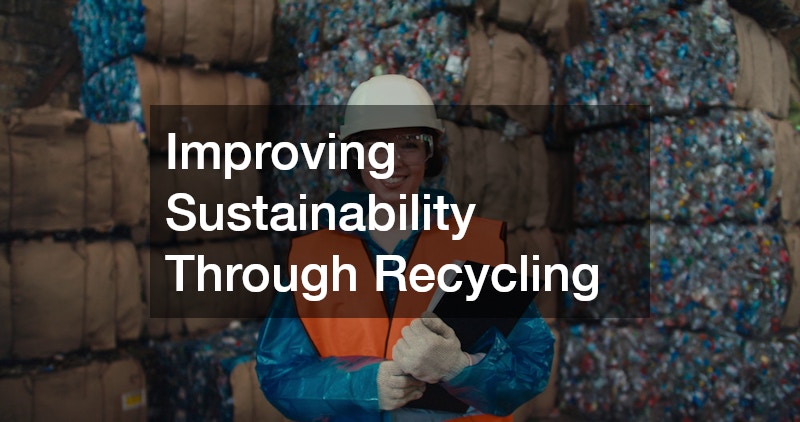
As environmental concerns continue to grow, businesses are increasingly expected to adopt sustainable practices. Recycling is a key component of any environmentally responsible waste management strategy. By diverting recyclable materials from landfills, businesses can reduce their environmental footprint and contribute to resource conservation.
Investing in recycling equipment can significantly enhance a company’s ability to manage recyclable materials effectively. Equipment such as balers and compactors allows businesses to process materials like cardboard, plastics, and metals more efficiently. This not only reduces the volume of waste but also makes it easier to transport and recycle materials.
Incorporating recycling into daily operations requires a commitment to proper sorting and employee education. Staff should be trained to identify recyclable materials and dispose of them correctly. Over time, these practices can lead to substantial cost savings by reducing disposal fees and even generating revenue from recyclable materials.
Sustainability is no longer just a trend—it is a business imperative. Companies that prioritize recycling demonstrate their commitment to environmental stewardship while also improving their operational efficiency.
Managing Wastewater and Drain Systems
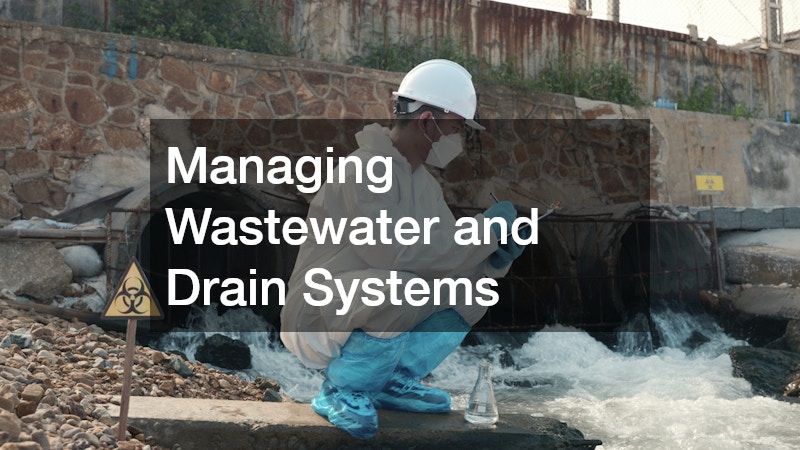
Liquid waste management is a critical aspect of maintaining a clean and functional business environment. Wastewater systems are often out of sight and out of mind until problems arise, but neglecting them can lead to costly repairs and operational disruptions.
A sewer cleaning service plays a vital role in keeping drainage systems clear and functioning properly. Over time, debris, grease, and other materials can accumulate in pipes, leading to blockages and backups. Regular cleaning helps prevent these issues and ensures that wastewater flows smoothly through the system.
For properties that rely on septic systems, maintenance is equally important. Septic systems can develop issues such as leaks, cracks, or blockages that compromise their effectiveness. Timely septic repair is essential to prevent contamination and maintain proper functionality. Regular inspections can help identify potential problems before they escalate, saving businesses time and money.
By prioritizing wastewater management, businesses can avoid disruptions, protect their infrastructure, and maintain a safe and sanitary environment.
Specialized Care for Commercial Kitchens
Food service businesses face unique challenges when it comes to waste management. In addition to general and organic waste, these establishments must also manage grease and other byproducts that can impact plumbing systems and regulatory compliance.
Grease trap cleaning is a critical service for maintaining the efficiency of commercial kitchens. Grease traps are designed to capture fats, oils, and grease before they enter the plumbing system, but they require regular maintenance to function properly. Without proper cleaning, grease can accumulate and cause blockages, leading to backups and potential health hazards.
Regular grease trap cleaning helps prevent these issues while ensuring compliance with local regulations. It also reduces the risk of unpleasant odors and improves the overall performance of the plumbing system. For restaurants and food service providers, this is an essential part of maintaining a safe and efficient operation.
Addressing Hazardous and Contaminated Materials
Some types of waste pose significant risks to health and the environment, requiring specialized handling and disposal methods. Businesses that deal with hazardous materials must take extra precautions to ensure safety and compliance.
Biohazard cleanup is necessary in situations involving biological contaminants, such as bloodborne pathogens or infectious materials. These services are performed by trained professionals who follow strict safety protocols to ensure thorough decontamination. Proper handling of biohazards is essential for protecting employees, customers, and the surrounding community.
Another important service is oil tank removal, particularly for older properties or facilities transitioning away from outdated fuel systems. Oil tanks can deteriorate over time, leading to leaks that contaminate soil and groundwater. Removing these tanks safely and disposing of them properly helps mitigate environmental risks and ensures compliance with regulations.
By addressing hazardous waste proactively, businesses can reduce risks and maintain a safe operating environment.
Supporting Construction and Renovation Projects

Construction and renovation projects generate large amounts of debris that must be managed efficiently to keep projects on track. From demolition materials to leftover construction supplies, proper waste handling is essential for maintaining a safe and organized worksite.
A demolition company provides the expertise and equipment needed to dismantle structures safely and efficiently. These professionals handle everything from tearing down buildings to sorting and disposing of materials. Their services help ensure that projects are completed in accordance with safety standards and environmental regulations.
Combining demolition services with a roll-off dumpster creates a streamlined approach to waste management. Debris can be collected and removed quickly, reducing clutter and improving site safety. This combination allows businesses to focus on completing their projects without being hindered by waste management challenges.
Handling Outdoor and Landscaping Waste
Businesses with outdoor spaces often generate green waste that requires specialized handling. Maintaining a clean and attractive landscape is important for both aesthetics and safety, but it also involves managing materials such as tree stumps, branches, and other debris.
Local stump grinding services provide an effective solution for removing tree stumps and restoring usable space. Stumps can be difficult to remove manually and may pose hazards if left untreated. Grinding them down eliminates these risks and allows for easier landscaping and maintenance.
Proper management of green waste not only improves the appearance of a property but also contributes to a safer and more functional outdoor environment. Businesses that invest in landscaping maintenance can enhance their curb appeal and create a more welcoming atmosphere.
Creating a Comprehensive Waste Management Plan
An effective waste management strategy goes beyond addressing individual issues—it requires a comprehensive plan that considers all aspects of waste generation and disposal. The first step is conducting a thorough assessment of the types and volumes of waste your business produces. This information serves as the foundation for selecting appropriate services and solutions.
Once the assessment is complete, businesses can choose the services that best meet their needs. This may include investing in recycling equipment, scheduling regular sewer cleaning service appointments, or arranging for septic repair as needed. Each component of the plan should be tailored to the specific requirements of the business.
Regular maintenance is another key element of a successful strategy. Systems such as grease traps and drainage lines should be inspected and cleaned on a consistent basis to prevent issues. Compliance with local regulations is also essential, as failure to meet requirements can result in fines and legal complications.
Employee training plays a crucial role in ensuring that waste management practices are followed correctly. Staff should understand how to dispose of different types of waste and be aware of the importance of proper handling. By creating a culture of responsibility, businesses can improve their overall waste management efforts.
The Benefits of Proper Waste Management
Investing in proper waste management offers a wide range of benefits that extend beyond simple cleanliness. One of the most significant advantages is improved efficiency. When waste is managed effectively, operations run more smoothly, and employees can focus on their primary responsibilities without being hindered by clutter or disruptions.
Cost savings are another important benefit. By reducing waste volume through recycling and maintaining systems to prevent costly repairs, businesses can lower their overall expenses. Preventative measures, such as regular grease trap cleaning or sewer maintenance, help avoid unexpected issues that can lead to downtime and additional costs.
Compliance with regulations is also a critical factor. Proper waste handling ensures that businesses meet local and federal requirements, reducing the risk of fines or legal issues. Additionally, maintaining a safe environment protects employees and customers from potential hazards associated with improper waste disposal.
Finally, a strong waste management strategy enhances a company’s reputation. Businesses that demonstrate a commitment to sustainability and responsibility are more likely to attract customers and build trust within their communities.
Choosing the Right Partners
Implementing an effective waste management plan often requires working with professional service providers. Choosing the right partners is essential for ensuring that each aspect of the plan is executed correctly.
Businesses should look for providers with experience, proper certifications, and a proven track record of reliability. Whether you need a sewer cleaning service, grease trap cleaning, or assistance from a demolition company, working with qualified professionals ensures that the job is done safely and efficiently.
Reliable partners can also provide valuable insights and recommendations, helping businesses improve their waste management strategies over time. By building strong relationships with service providers, companies can create a more effective and sustainable system.
Final Thoughts
Business waste management is a complex but essential aspect of running a successful operation. From handling everyday waste with a roll-off dumpster to addressing specialized needs like biohazard cleanup and oil tank removal, each component plays a vital role in maintaining efficiency, safety, and compliance.
By understanding the different types of waste your business generates and implementing the right solutions—including recycling equipment, septic repair, and local stump grinding—you can create a comprehensive strategy that supports your long-term success. Taking a proactive approach not only reduces risks and costs but also contributes to a cleaner environment and a stronger reputation.
With the right plan and partners in place, waste management becomes more than just a necessity—it becomes an opportunity to improve your business and make a positive impact.