
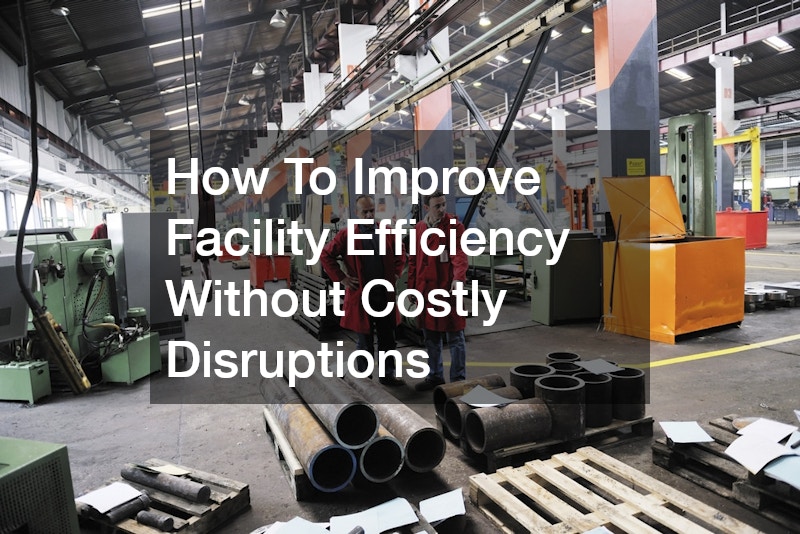
Running any kind of facility—whether it’s a light manufacturing site, a mixed-use property, or even a large residential workshop—often feels like juggling priorities that compete with each other. You want better efficiency, lower energy use, smoother workflows, and fewer headaches, but the fear of downtime or unexpected costs keeps many improvements on hold.
Efficiency upgrades don’t have to be loud, disruptive, or all-at-once. In fact, the most successful changes tend to be quiet, incremental, and grounded in how people actually use a space day to day. The sections below walk through practical ways to make meaningful improvements without shutting doors, pausing work, or creating chaos for the people who rely on the facility every day.
Diagnose Operational Bottlenecks Before Making Any Changes
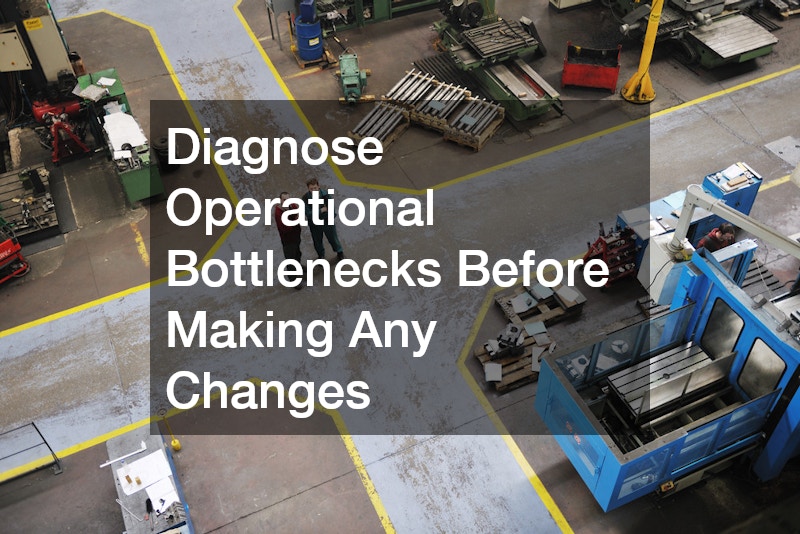
Most efficiency projects fail because they start with solutions instead of understanding the problem. When output slows, or utility bills rise, it’s natural to assume the answer is obvious: buy new equipment, add technology, or expand capacity. Those moves feel proactive, but they often skip over the underlying causes. As a result, organizations spend heavily and see only marginal improvement—or none at all.
A more effective starting point is observation. Not quick walkthroughs or surface-level reviews, but deliberate time spent watching how work actually happens. This means paying attention to the movement of materials, people, and information throughout the day. The goal is to notice friction that has become “normal” over time.
As you observe, useful questions to ask include:
- Where do tasks pause unexpectedly?
- Where do people wait for approvals, materials, or instructions?
- Where does work pile up at certain times of day?
- Which steps feel rushed, and which feel underutilized?
In many facilities, bottlenecks tend to appear in a few predictable areas:
- Receiving areas where materials arrive faster than they can be processed, inspected, or staged
- Workstations that rely heavily on manual handling instead of top material handling solutions, increasing fatigue and slowing throughput
- Packaging zones where box making machines run constantly, yet finished products still stack up due to upstream or downstream constraints
Identifying these patterns doesn’t mean something is “wrong” with the team or the facility. Most inefficiencies develop gradually as operations grow, demands change, or temporary workarounds become permanent. Without stepping back, it’s easy to miss how one small delay cascades into larger problems elsewhere.
Once bottlenecks are clearly understood, solutions often become simpler and less disruptive than expected. In some cases, efficiency improves by:
- Re-sequencing tasks so that the workflow flows more evenly
- Adjusting schedules to better match demand peaks
- Redistributing responsibilities to prevent overload at a single step
In other situations, observation reveals that a single outdated or poorly placed piece of equipment is quietly dictating the pace of the entire operation. Addressing that one constraint can unlock gains across multiple processes.
The same principle applies in smaller, more personal settings. For homeowners running workshops or small production spaces, inefficiency often feels like a space problem. But closer observation usually tells a different story. The garage may feel cluttered, not because it’s too small, but because tools and materials lack a logical flow. Once that flow is improved, the space becomes easier to work in without adding square footage. At any scale, clarity before change saves time, money, and frustration.
Upgrade High-Impact Equipment Without Shutting Down Production
Large equipment upgrades are often postponed because they feel disruptive by default. Cranes, rail connections, and heavy installations sound like “all or nothing” projects—but they don’t have to be.
The key is phasing. Work with vendors who understand staged installs and partial access. For example, coordinating with a tower crane dealer doesn’t mean the entire site has to stop operating. Many projects can be broken into off-hour lifts, weekend installs, or segmented work zones.
Facilities connected to transportation infrastructure face similar challenges. A railway service company can often plan upgrades or maintenance windows that align with low-traffic periods, reducing interference with daily operations.
Practical strategies include:
- Scheduling high-impact work during natural slow periods
- Creating temporary bypass routes for people or materials
- Installing new equipment alongside old systems before switching over
Even homeowners can relate to this approach. Replacing a furnace doesn’t mean you shut down the entire house for a week—you plan it room by room, system by system. Facilities benefit from the same mindset.
Improve Surface Durability To Reduce Maintenance Downtime
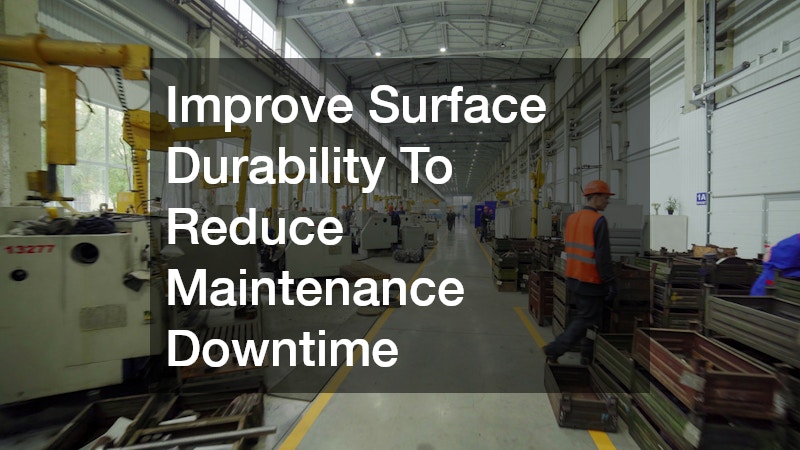
Surfaces rarely get attention until they fail. Cracked floors, peeling finishes, and worn coatings quietly drain efficiency through constant repairs, safety concerns, and cleaning time.
Addressing surfaces strategically can dramatically reduce disruptions. Applying floor coating in phases allows sections of a facility to remain operational while others are upgraded. Modern materials cure faster and last longer, making them ideal for staged improvements.
Equipment durability matters just as much. Using powder coating services to refinish or protect components extends their lifespan and reduces the frequency of maintenance shutdowns. Instead of pulling machines offline repeatedly for minor fixes, you invest once and gain years of reliability.
This approach mirrors what many homeowners experience with high-traffic areas. A well-sealed garage floor or coated railing doesn’t just look better—it saves time and prevents constant touch-ups. In larger facilities, those savings compound quickly.
Optimize Space Utilization Without Expanding The Facility
When efficiency drops, the instinct is often to expand. More space feels like the obvious answer. But expansion is expensive, slow, and disruptive.
A better first step is understanding how existing space is actually used. Many facilities have underperforming zones hidden in plain sight—especially in administrative or transitional areas like warehouse office space.
Reconfiguring layouts, consolidating storage, or relocating support functions can unlock surprising gains. Even mechanical systems play a role. Older propane systems, for instance, may occupy more space than necessary or require safety buffers that newer configurations don’t.
Ask questions like:
- Which areas are always crowded, and which sit mostly empty?
- Are support functions placed where they help—or where they’ve always been?
- Can vertical space reduce horizontal sprawl?
Homeowners face similar issues when basements or garages become catch-alls. Reclaiming space doesn’t require adding square footage—just clearer intent.
Strengthen Workforce Efficiency Through Smarter Task Design

People are the most adaptable part of any facility, but they are also the most affected by poor planning decisions. When efficiency efforts focus only on equipment, layout, or technology, they often overlook how those changes reshape daily work. If improvements make jobs more physically demanding, more confusing, or more rushed, resistance is a natural response. Productivity may even drop as frustration and fatigue increase.
Physically demanding roles offer useful lessons in how to design work around human limits. Industries like tree loggers rely on efficiency not as a convenience, but as a necessity for safety and endurance. Movement is minimized, tools are positioned deliberately, and tasks are sequenced to avoid unnecessary strain. Those same principles translate well to indoor environments. When workstations are arranged so tools are within easy reach and tasks follow a logical order, output improves without asking people to move faster or work longer.
Workforce efficiency also depends on knowing which tasks truly need to be handled internally. Not every function adds equal value, and some responsibilities place a disproportionate load on in-house teams. Thoughtful outsourcing and risk management can help stabilize workloads during peak periods, reduce chronic overtime, and prevent burnout. When external partners handle specialized or fluctuating tasks, internal staff can focus on work that benefits most from their experience and familiarity with the facility.
Practical improvements often start small and focus on everyday friction points. Effective steps include:
- Reducing unnecessary movement between stations so energy is spent on productive work instead of walking or repositioning
- Clarifying responsibilities to eliminate overlap, handoff confusion, or duplicated effort
- Supporting workers with better tools and layouts rather than simply expecting faster performance
These changes tend to be low-cost and low-disruption, yet they have a noticeable impact on morale and output. People feel more capable when systems support them instead of working against them.
For homeowners, the same idea shows up in personal workspaces. Reorganizing a workshop so that frequently used tools are close at hand can dramatically cut down on back-and-forth movement. Tasks feel smoother, projects take less time, and fatigue drops. The energy savings are real—both in physical effort and in the utilities used to support longer, less efficient work sessions.
Use Pilot Projects To Validate Changes Before Full Rollout
Big changes feel risky because they are big. Pilot projects shrink that risk.
Choose a contained area—a single line, room, or process—and test improvements there first. This allows teams to learn what works without putting the entire operation on the line.
A good pilot:
- Has clear success metrics
- Involves the people who use the space daily
- Runs long enough to capture real-world variation
If it works, scale it. If it doesn’t, you’ve learned something valuable at a fraction of the cost.
Homeowners often do this intuitively. You test a smart thermostat in one room before wiring the whole house. Facilities benefit from the same patience.
Align Maintenance Planning With Production Realities
Maintenance is often scheduled based on calendars rather than usage. That mismatch leads to either premature servicing or emergency repairs—both are inefficient.
Instead, align maintenance with actual wear patterns and production cycles. Predictive maintenance tools, even simple ones, can flag issues before they become disruptive.
Consider:
- Tracking runtime instead of dates
- Coordinating maintenance during planned slowdowns
- Bundling tasks to reduce repeated shutdowns
The result is fewer surprises and smoother operations. For homeowners, this is the difference between regular HVAC tune-ups and scrambling when the system fails mid-summer.
Improve Cross-Team Communication During Efficiency Changes
Efficiency projects fail quietly when communication breaks down. People hear “changes are coming” but don’t know when, why, or how it affects them.
Clear, consistent updates reduce anxiety and resistance. Involve operators early. Explain not just what is changing, but what problem it solves.
Effective communication doesn’t require endless meetings. Short updates, visible timelines, and open feedback channels often work better.
When people feel informed, they adapt faster—and disruptions shrink.
Measure Efficiency Gains Without Disrupting Daily Work
Finally, measure what matters, but don’t turn measurement into another burden. The purpose of tracking performance is to support better decisions, not to create a parallel workload that competes with daily responsibilities. When measurement becomes too complex, teams stop trusting the data or stop using it altogether. At that point, the effort undermines the very efficiency it was meant to improve.
A practical approach is to start with information that already exists. Many facilities sit on valuable data without realizing it. Energy bills reveal usage patterns over time. Output counts show how much work actually gets completed, not just what was planned. Downtime logs, even informal ones, highlight recurring issues that quietly drain productivity. Using these sources avoids the need for new systems or constant reporting.
When deciding what to track, it helps to ask a few grounding questions:
- Will this metric change how we make decisions?
- Can we collect it without interrupting daily work?
- Does it reflect real performance, not just activity?
Metrics that require constant manual input should be used sparingly. If people have to stop what they’re doing to log data that no one reviews regularly, the system will quickly feel like busywork. In contrast, automatically generated or passively collected data tends to be more accurate and far less disruptive. The focus should always be on insight, not volume.
Efficiency improvements rarely come from a single dramatic change. They come from accumulation. A small reduction in energy use here, a slight decrease in downtime there, or a smoother handoff between tasks may seem insignificant on their own. Over time, those small gains compound into noticeable savings. That cumulative effect is what makes consistent measurement worthwhile and why even modest improvements can have a real impact that both homeowners and facility managers can appreciate month after month.
Making a facility more efficient doesn’t require dramatic gestures or painful shutdowns. It requires attention, empathy for how spaces are used, and a willingness to improve steadily rather than all at once. Whether you’re managing a complex operation or simply trying to make your property work smarter, the same truth applies: sustainable efficiency grows from thoughtful, human-centered decisions that respect both people and the systems they rely on every day.