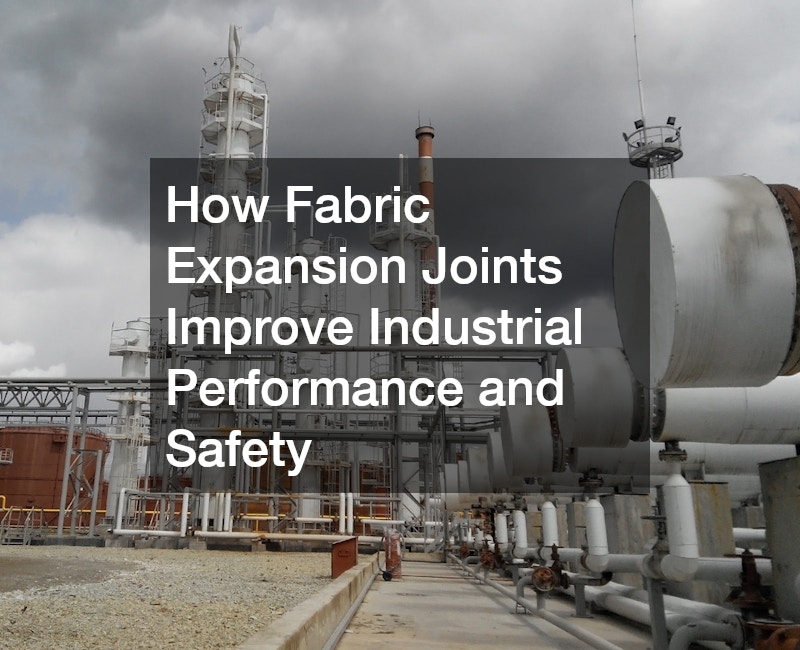
Fabric expansion joints play an important role in many industrial systems, even though they are often overlooked. These flexible components are designed to handle movement, heat, and pressure changes in ducts and pipelines. Without them, systems could crack, leak, or fail over time. Whether used in power plants or manufacturing facilities, fabric expansion joints help keep operations running smoothly and safely.
What Are Fabric Expansion Joints?
Fabric expansion joints are flexible connectors made from layers of fabric and special coatings. They are designed to absorb movement caused by temperature changes, vibration, and pressure shifts.
How They Work
When industrial systems heat up, materials expand. When they cool down, materials contract. This constant movement can put stress on pipes and ducts. Fabric expansion joints act like cushions, absorbing that movement and reducing strain on the system.
Where They Are Used
These joints are commonly used in:
- Power generation plants
- Cement and steel industries
- Chemical processing facilities
- HVAC systems
- Pulp and paper mills
They are especially useful in high-temperature environments where flexibility is required.
Benefits of Fabric Expansion Joints
Fabric expansion joints offer several advantages that make them a preferred choice in many industries.
Flexibility and Movement Control
One of the biggest benefits is their ability to handle movement in multiple directions. They can absorb axial, lateral, and angular movement without causing damage.
High Temperature Resistance
These joints are built to withstand extreme heat. Special materials and coatings allow them to perform well even in demanding conditions.
Lightweight Design
Compared to metal expansion joints, fabric versions are much lighter. This makes them easier to install and reduces stress on supporting structures.
Cost-Effective Solution
Fabric expansion joints are often more affordable than metal options. They also require less maintenance, which helps save money over time.
Noise and Vibration Reduction
They help reduce noise and vibration within industrial systems, creating a quieter and more stable environment.
Key Features to Consider
When selecting fabric expansion joints, it is important to look at certain features to ensure they meet your needs.
Material Quality
High-quality fabrics and coatings are essential for durability. These materials must resist heat, chemicals, and wear.
Temperature Range
Always check the temperature limits of the joint. It should be able to handle the conditions of your system.
Chemical Resistance
If your system involves gases or chemicals, the joint must be able to resist corrosion and damage.
Custom Design Options
Every system is different. Custom-designed joints can provide a better fit and improved performance.
Common Applications
Fabric expansion joints are used in a wide range of industrial applications.
Power Plants
In power generation, these joints are used in flue gas ducts to handle high temperatures and movement.
Cement Industry
They are used in kilns and exhaust systems where heat and dust are constant challenges.
Chemical Processing
Fabric expansion joints help manage corrosive gases and prevent leaks.
HVAC Systems
In heating and cooling systems, they reduce vibration and allow for smooth airflow.
Installation and Maintenance Tips
Proper installation and care can extend the life of fabric expansion joints.
Correct Installation
Make sure the joint is installed according to manufacturer guidelines. Incorrect installation can lead to early failure.
Regular Inspections
Check for signs of wear, such as cracks or leaks. Catching problems early can prevent bigger issues.
Timely Replacement
Do not wait until a joint completely fails. Replacing it at the right time helps avoid costly downtime.
Innovation in Fabric Expansion Joints
Modern fabric expansion joints are not the same as they were years ago. New technologies and materials have improved their performance.
Advanced Materials
Manufacturers now use multi-layer fabrics that offer better heat and chemical resistance.
Improved Durability
New designs help joints last longer, reducing the need for frequent replacements.
Better Efficiency
These improvements help systems run more efficiently by reducing energy loss and improving airflow.
Final Thoughts
Fabric expansion joints are a small but essential part of many industrial systems. They help manage movement, reduce stress, and improve overall performance. With benefits like flexibility, durability, and cost savings, they are a smart choice for many applications. As technology continues to improve, fabric expansion joints will become even more reliable and efficient. Investing in high-quality fabric expansion joints is a simple way to protect your equipment and ensure long-term success.